Sandbags play a vital role in flood prevention, erosion control, and construction site management across Australia. Selecting a reputable supplier ensures you get high-quality, durable sandbags suited to your project's needs.
This guide outlines key factors to consider when choosing where to buy sandbags in Australia, along with complementary erosion control solutions that work alongside sandbags for comprehensive site protection.
Not all sandbag suppliers are created equal. The quality of materials, availability during emergencies, and delivery capabilities can make or break your project timeline.
A reliable supplier provides sandbags that can withstand Australian weather conditions, from intense UV exposure to heavy rainfall and flooding. Poor-quality sandbags deteriorate quickly, leaving your site vulnerable and requiring costly replacements.
Working with established suppliers also means access to expert advice on which sandbag type suits your specific application. Whether you're managing a construction site, preparing for flood season, or controlling erosion on slopes, the right supplier helps you make informed decisions.
The material composition of sandbags directly impacts their performance and lifespan. Understanding the differences helps you select the right product for your application.
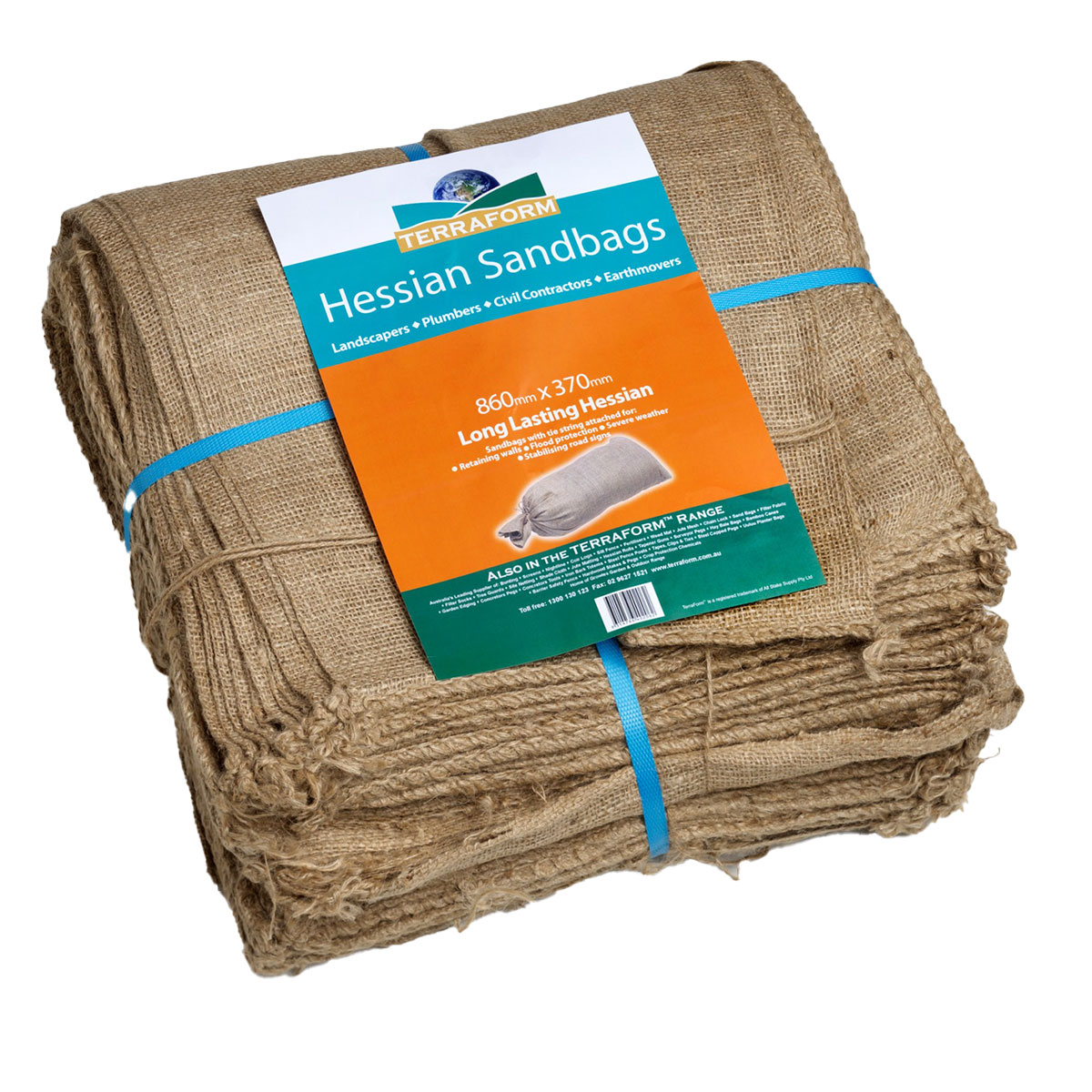
Hessian sandbags are biodegradable and eco-friendly, making them suitable for short-term erosion control applications. They integrate naturally into landscapes as they break down over time.
These sandbags work well for temporary projects lasting 6-12 months. They're particularly useful in environmentally sensitive areas where synthetic materials aren't appropriate.
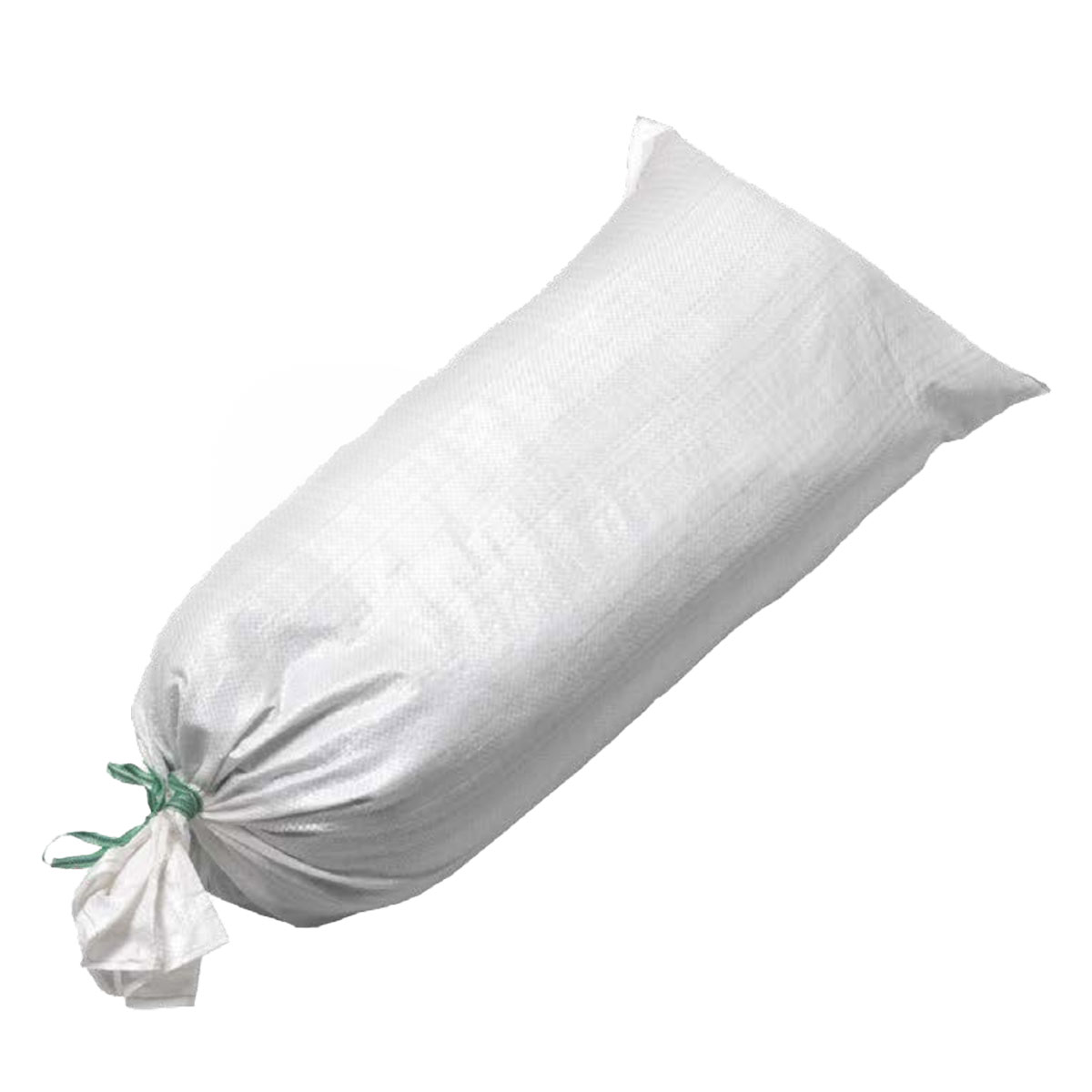
Poly sandbags offer UV resistance and long-lasting durability, ideal for flood control and construction sites requiring extended protection. They can withstand harsh sunlight without degrading for years.
These sandbags resist water absorption, maintaining their structural integrity even when saturated. This makes them the preferred choice for flood barriers and permanent erosion control installations.
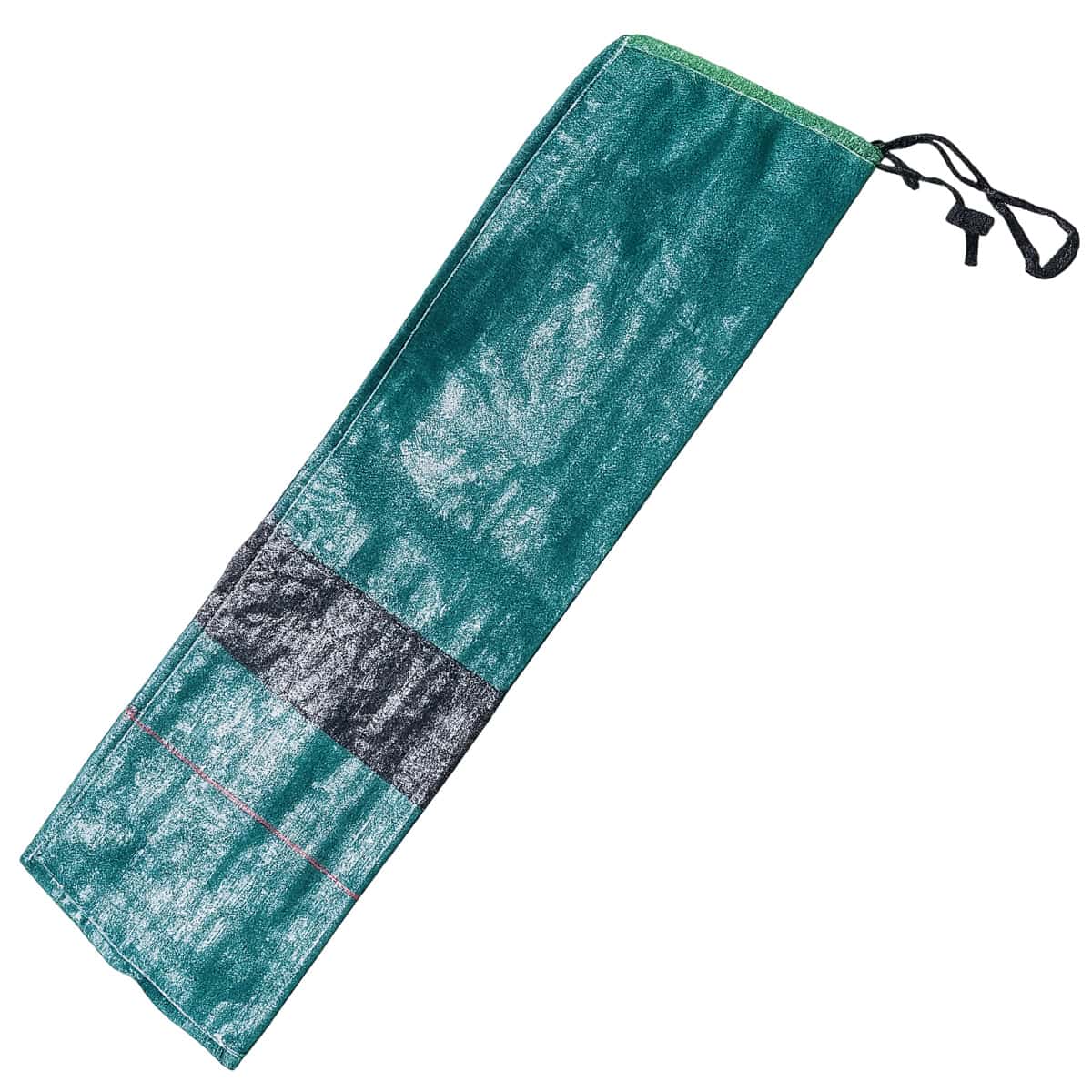
Designed for environmentally sensitive applications, biodegradable sandbags provide temporary protection while minimising environmental impact. They're perfect for projects near waterways or protected habitats.
These sandbags decompose naturally over 1-2 years, eliminating the need for removal and disposal. They work exceptionally well in combination with natural erosion control materials like this 620gsm jute matting, which provides surface stabilisation while vegetation establishes on slopes and embankments.
Different projects demand different sandbag specifications. Your supplier should help you match products to your exact requirements.
Poly sandbags offer superior water resistance for flood barriers. They don't absorb moisture, which keeps them lightweight for repositioning and maintains barrier integrity.
For flood protection, stack sandbags in pyramid formation with staggered joints. UV-resistant poly bags last multiple seasons when stored properly after use.
Hessian and biodegradable sandbags integrate naturally into landscapes for erosion control. They allow water percolation while stabilising soil until vegetation establishes.
For comprehensive erosion management, sandbags work brilliantly alongside a 300mm coir log, which provides structural support at the base of slopes while filtering sediment from runoff water.
Heavy-duty poly sandbags provide strength and stability for construction applications. They secure temporary fencing, weight down materials, and create barriers around excavations.
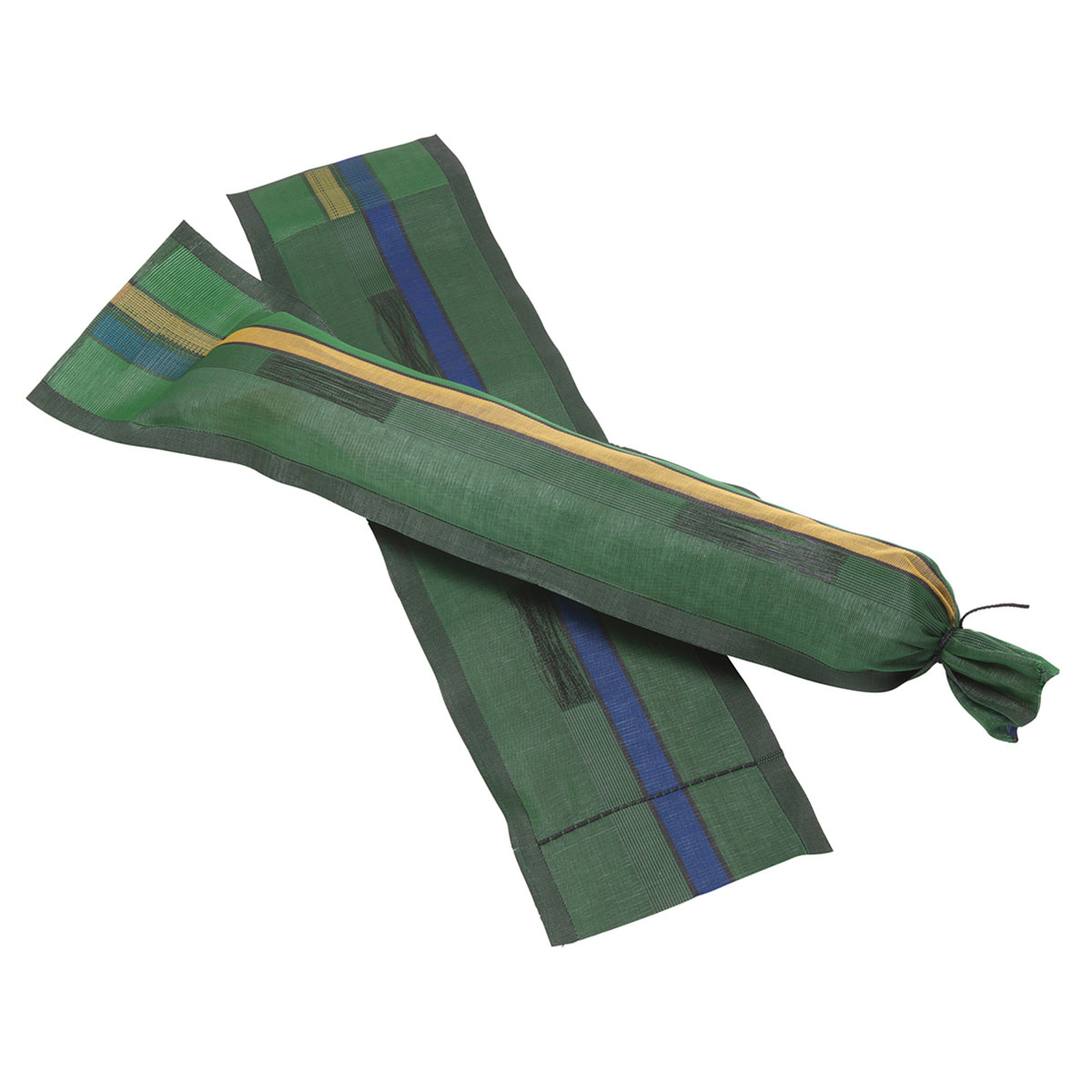
Construction sites often require sediment control measures, and sandbags combined with the standard green roll of silt fencing create effective barriers that prevent sediment-laden water from leaving the site during rain events.
Beyond product quality, your supplier's operational capabilities significantly impact project success. Evaluate these key service areas before committing to a supplier.
For large-scale projects, buying in bulk saves considerable costs. Look for suppliers offering bulk discounts and consistent stock levels to avoid project delays.
Reputable suppliers maintain adequate inventory year-round, not just during peak flood season. They should accommodate orders ranging from dozens to thousands of sandbags without extended lead times.
In emergency situations such as flood response, fast delivery is crucial. Choose a supplier with a proven track record for quick turnaround times and Australia-wide shipping capabilities.
Direct-to-job-site delivery eliminates the need for double handling and storage at your depot. This saves time, labour costs, and reduces the risk of damage during transport.
Ask potential suppliers about their delivery fleet, coverage areas, and typical lead times. Reliable suppliers provide tracking information and communicate proactively about any delays.
Quality suppliers offer more than just products. They provide technical guidance on quantities needed, placement techniques, and complementary erosion control solutions.
Experienced suppliers understand that sandbags often work best as part of integrated erosion control systems. For example, when stabilising waterway banks, combining sandbags with a 200mm coir log creates a dual-layer protection system that handles both immediate stabilisation and long-term vegetation establishment.
All Stake Supply is a trusted supplier of high-quality sandbags for various applications, including flood prevention, erosion control, and construction. We understand Australian conditions and stock products proven to perform in our unique climate.
Our range covers every application, from emergency flood response to long-term erosion management projects. We also supply complementary products that enhance sandbag effectiveness.
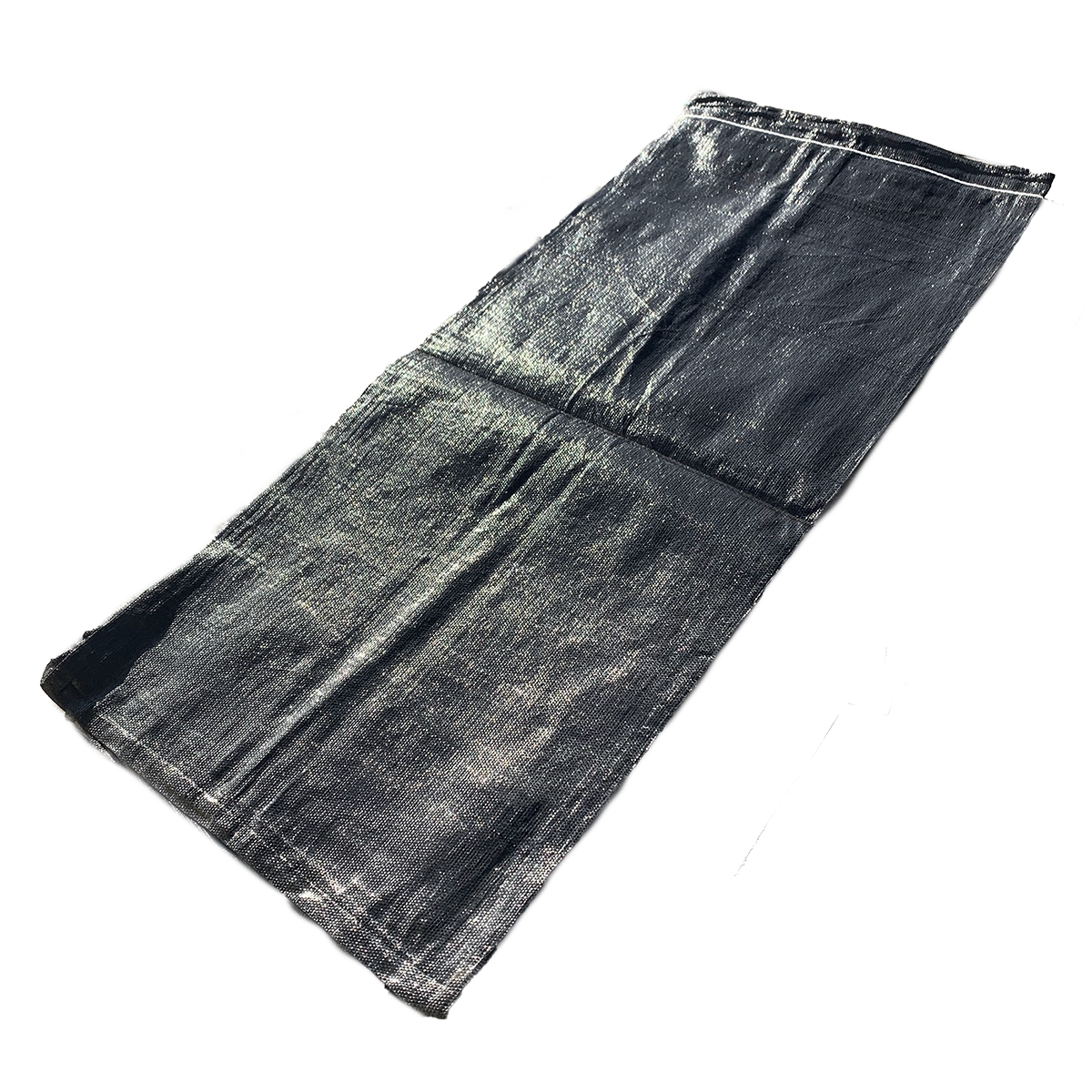
We source durable, reliable sandbags designed to withstand harsh Australian conditions. Our poly sandbags feature heavy-duty UV stabilisation that prevents degradation under intense sunlight.
Every product in our range undergoes quality testing to ensure it meets Australian standards. We don't compromise on material specifications or manufacturing quality.
We ensure timely delivery to your location, whether for routine projects or urgent flood protection. Our logistics network covers metropolitan and regional areas across Australia.
During flood emergencies, we prioritise rush orders to help communities and businesses protect their properties. Our warehouse team works extended hours during peak demand periods.
Our competitive pricing and bulk order options make it easy to secure the right quantity at the best value. We offer tiered pricing that rewards larger purchases without requiring unrealistic minimum orders.
For contractors managing multiple projects, our account facilities streamline ordering and invoicing. Volume customers receive priority service and dedicated support.
Beyond sandbags, we supply everything needed for complete erosion management. This includes natural fibre matting, coir logs, silt fencing, and specialised products for specific applications.
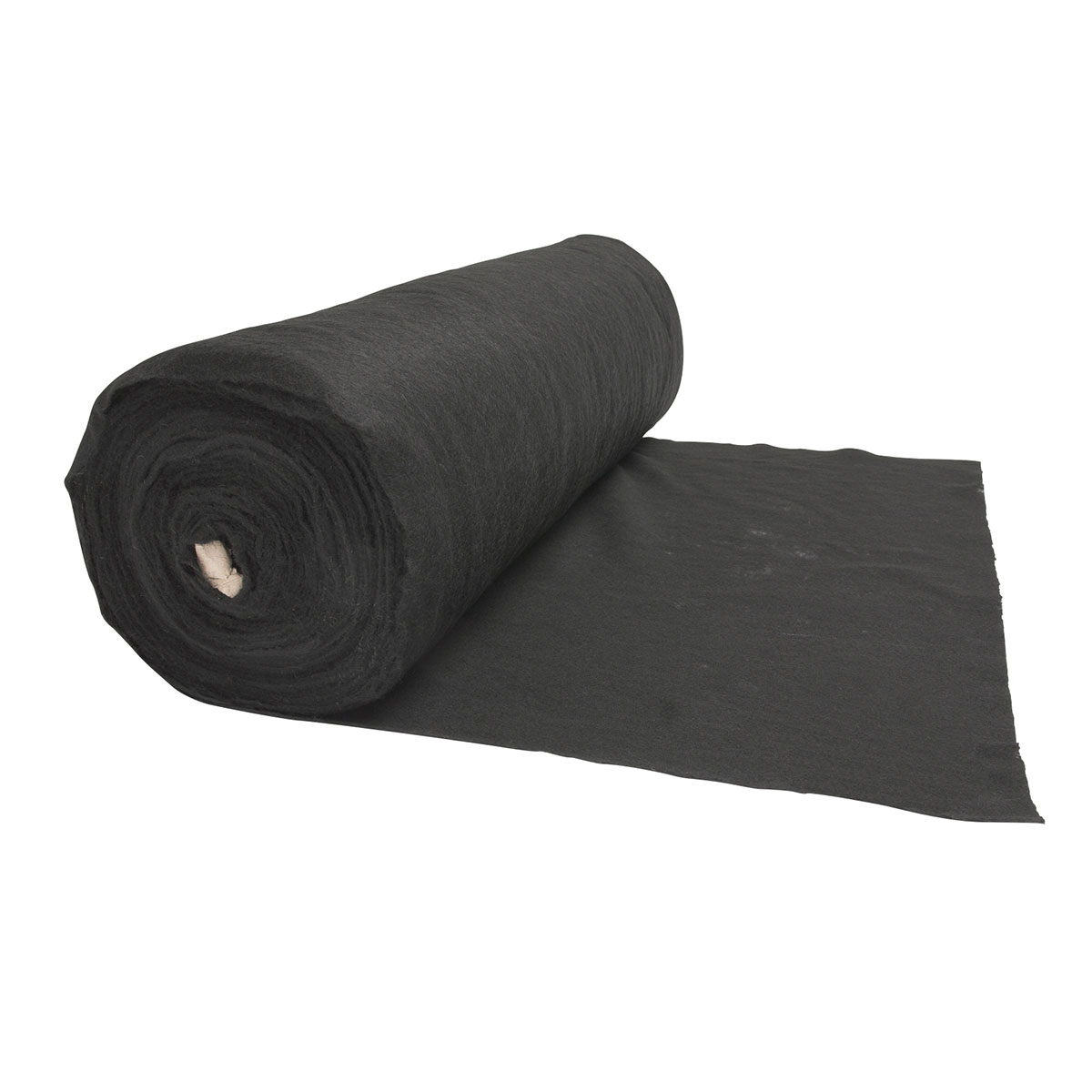
When projects require more sophisticated solutions, products like this slitted 620gsm jute roll allow vegetation to grow through while providing immediate surface protection against erosion on steep slopes.
Knowing how to fill and place sandbags correctly makes the difference between a barrier that holds and one that fails under pressure. Proper technique extends the life of each bag and maximises its effectiveness.
Fill each sandbag to roughly half or two-thirds full. An overfilled bag cannot be shaped to sit flat, and gaps between round bags let water through. A correctly filled bag weighs between 15 and 20 kg, which is heavy enough to stay in place but still manageable to lift and position by hand.
Use coarse, sharp sand or a sand and gravel mix rather than fine beach sand. Coarse material compacts better and resists washing out through the weave. If sand is not available, soil or a soil-gravel blend works in an emergency, though it adds weight and can clog the fabric over time.
Fold the open end of the bag under itself rather than tying it closed. A folded flap sits flat against the next bag in the wall, while a tied neck creates a bump that leaves gaps in the barrier. If you prefer to tie, use a simple overhand knot pulled tight against the fill.
Place each bag with the folded or tied end tucked underneath and facing away from the water source. Stamp each bag flat after placing it, then stagger the next row like brickwork so that every joint is covered by the bag above. This staggered pattern is what gives a sandbag wall its strength.
For a standard flood barrier, build in a pyramid shape: three bags wide at the base, two in the middle row, and one on top. Tuck the ends of each bag tightly against its neighbour and stamp down firmly before adding the next layer. Lay a sheet of heavy-duty plastic behind the wall (on the water side) for a more watertight seal.
On slopes, work from the bottom up. Anchor the lowest row into the ground and overlap each row above it so water runs down the face of the wall rather than behind it.
Estimating quantity before you order prevents shortfalls mid-project and avoids paying for surplus stock you do not need. Use these figures as a starting point, then adjust for your specific site conditions.
For erosion control blankets on slopes, allow 10 to 12 bags per square metre of exposed face. Steep or high-flow areas may need a double layer.
All Stake Supply stocks poly sandbags in 1,000-packs and hessian sandbags in 50-packs, so you can order the exact volume your project requires. Contact the team for guidance on quantities for larger or unusual sites.
The standard sandbag size in Australia is 860 x 370 mm (unfilled). Once filled to the recommended two-thirds level, a bag measures roughly 400 x 300 mm and weighs 15 to 20 kg depending on the fill material.
Lifespan varies by material:
Reuse is practical for poly bags. Empty them after a flood event, rinse off any silt, dry them flat, and refold for storage. Hessian and biodegradable bags are single-use by design and should not be refilled once the fabric has started to deteriorate.
Gravel, crushed rock, soil and soil-gravel blends all work. Coarse materials compact better than fine sand and are less likely to wash out. Avoid using clay-heavy soil, which becomes slippery when wet and does not drain well inside the bag.
Sandbags slow and redirect water rather than creating a fully watertight seal. A properly built sandbag wall with a plastic liner behind it will hold back most floodwater, but some seepage is normal. For critical flood protection, combine sandbags with silt fencing and plastic sheeting for a more effective barrier.
During declared flood emergencies, many Australian councils and State Emergency Service (SES) units distribute free sandbags to residents. Outside emergencies, councils rarely stock them. For planned projects, construction sites and ongoing erosion control, purchasing from a specialist supplier ensures you have the right material, quantity and bag type for the job.
Poly sandbags should be emptied, rinsed and either reused or disposed of through general waste. Contaminated fill (sand exposed to floodwater) should go to an approved waste facility, not back into the landscape. Hessian and biodegradable bags can be composted or left in place on revegetation sites to break down naturally.
UV-stabilised poly sandbags can last several years in permanent installations. For long-term erosion control, pair them with complementary products such as coir logs and jute matting to stabilise slopes while vegetation establishes. Once plants take hold, the sandbags provide ballast and the natural-fibre products decompose into the soil.
Finding the right supplier for sandbags ensures you receive durable products suited to your specific needs. Whether for flood protection, erosion control, or construction, All Stake Supply provides high-quality sandbags with fast delivery across Australia.
Consider your project timeline, budget, and environmental requirements when selecting sandbag types. Don't hesitate to contact suppliers with technical questions about quantities, placement, or complementary products.
Remember that the cheapest option isn't always the most cost-effective when you factor in durability, delivery reliability, and supplier support. Investing in quality sandbags from reputable suppliers saves money and hassle in the long run.