Tree guards are crucial tools in forestry, landscaping, and gardening, designed to protect young trees during their most vulnerable stages of growth. By understanding the specific uses of tree guards, you can better appreciate their importance and select the right type for your needs.
One of the primary functions of tree guards is to shield young saplings from wildlife. Animals such as rabbits, deer, and rodents often pose significant threats to young trees during their establishment phase.
These animals may chew on the bark, leaves, or shoots, which can cause severe damage or even kill the tree. Tree guards act as a physical barrier, preventing these animals from reaching the tree and causing harm.
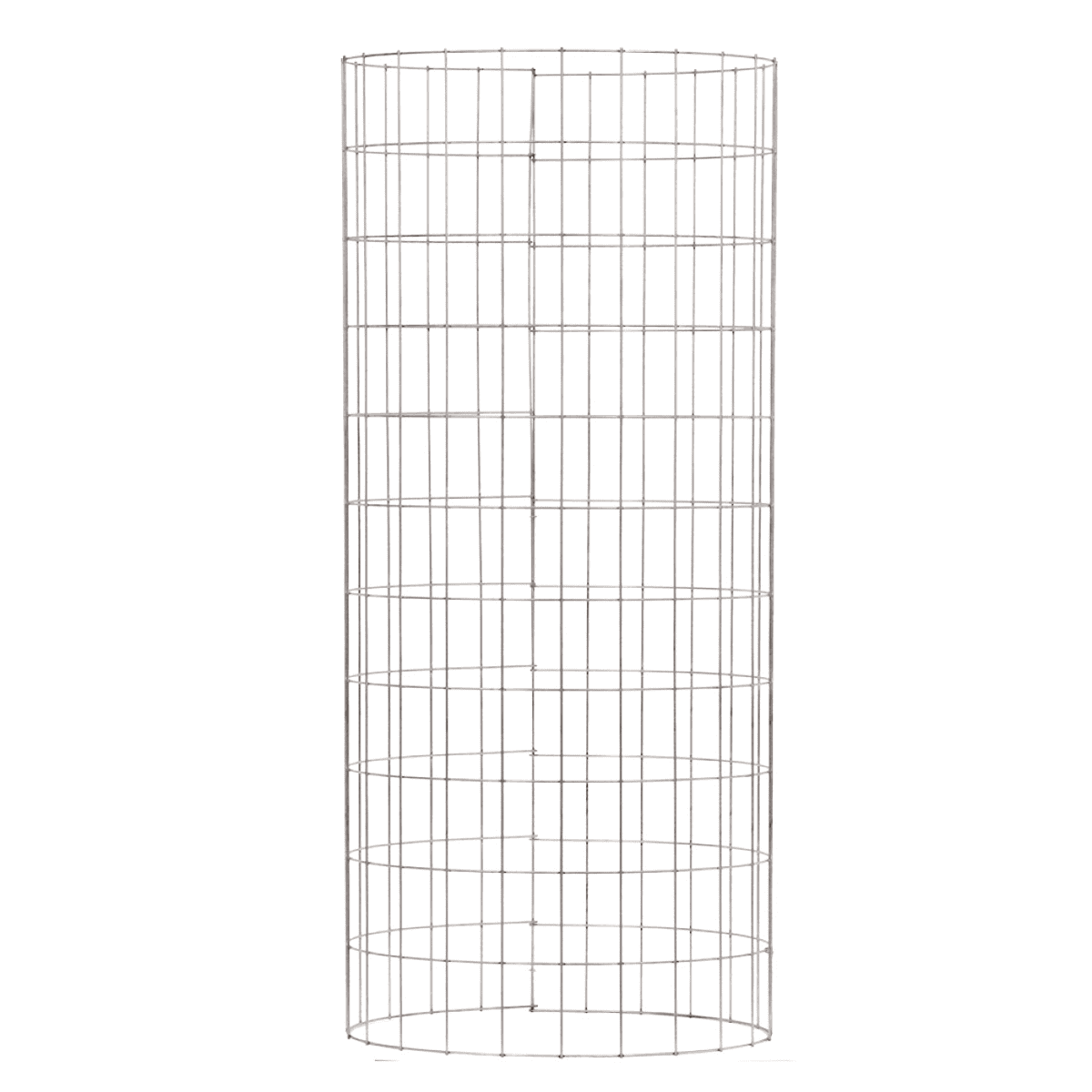
For individual trees or smaller plantings, this 10-pack of large metal mesh guards provides durable protection that allows excellent ventilation while keeping rodents at bay. The open mesh design ensures air circulation while creating an impenetrable barrier against gnawing pests.
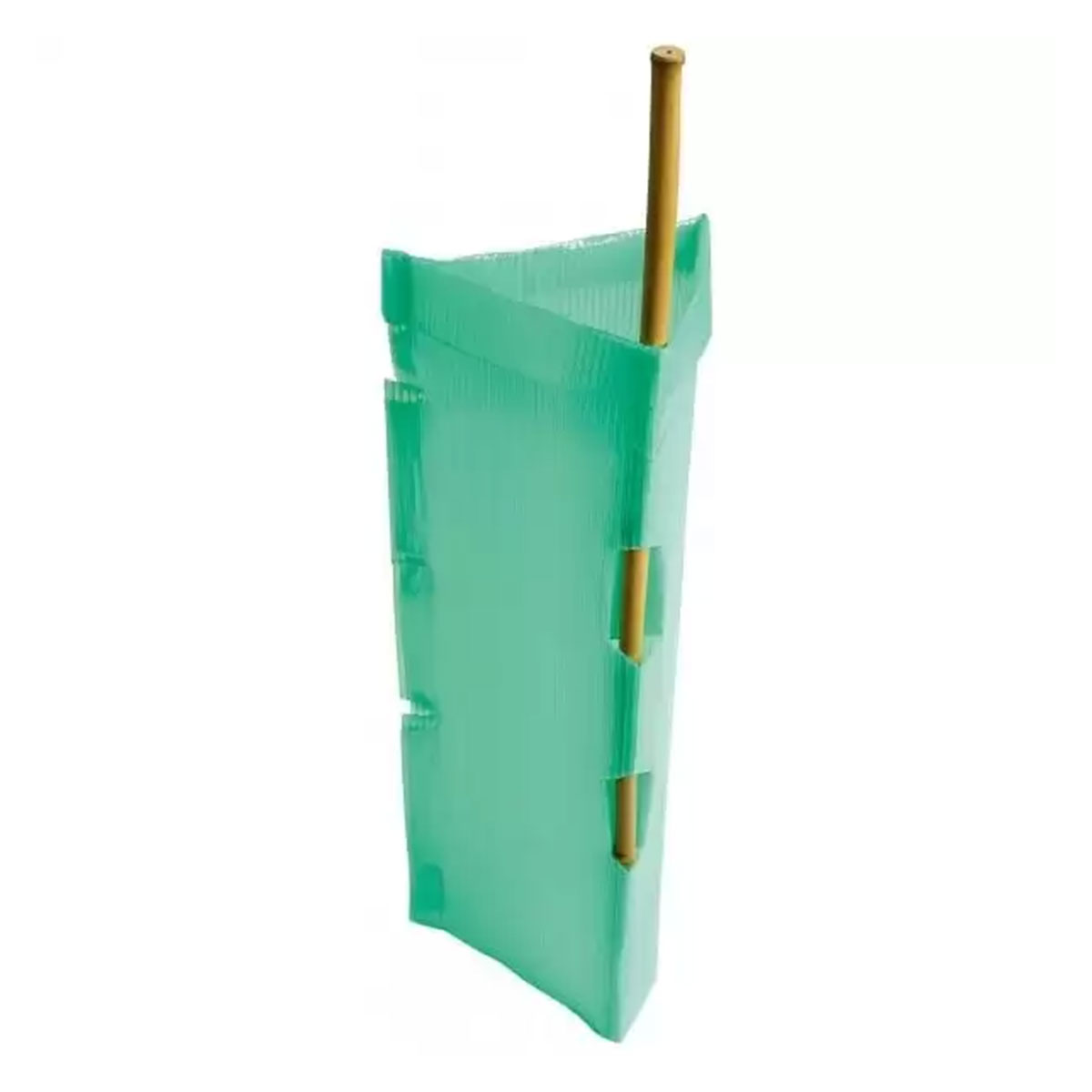
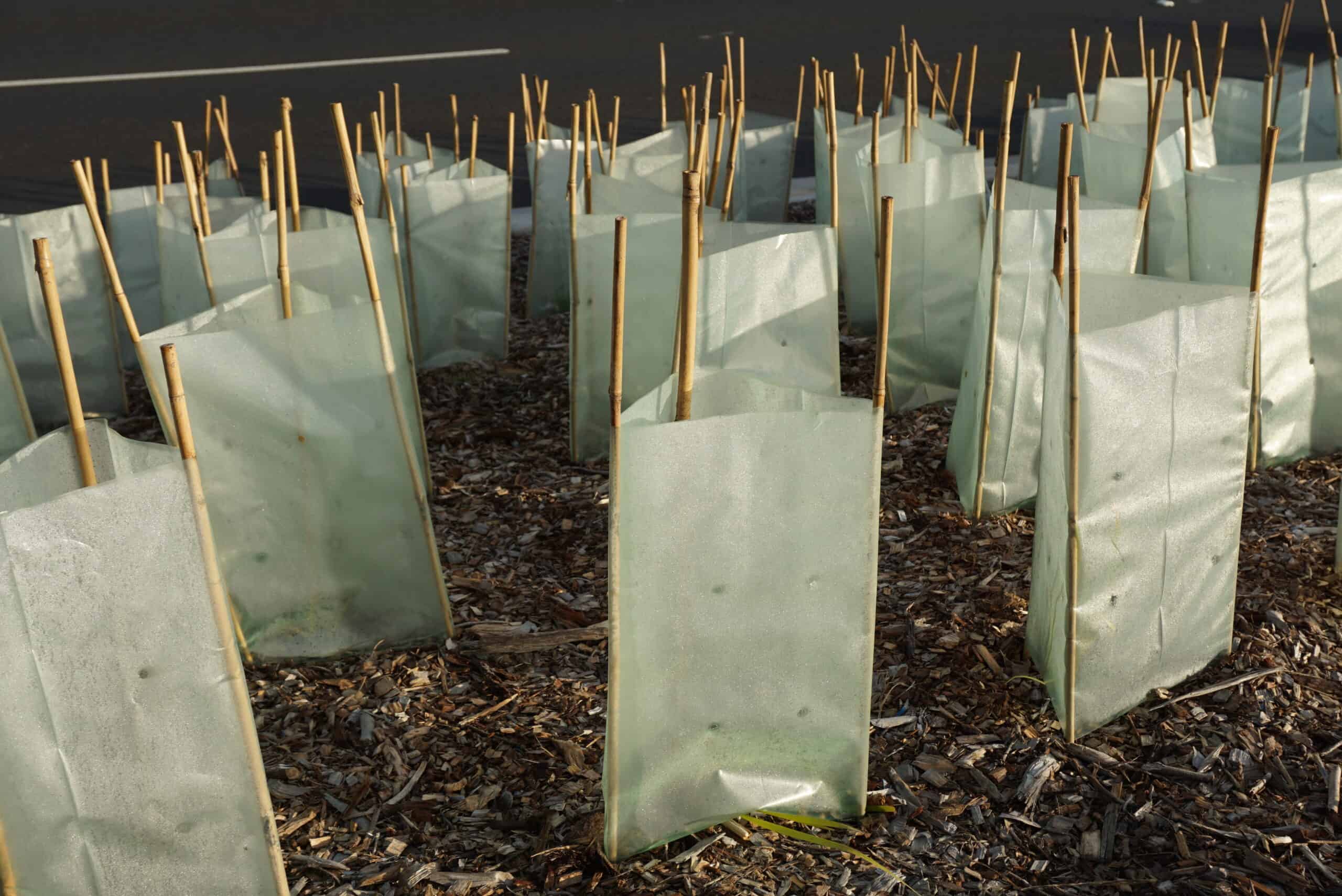
When dealing with larger animals or extensive planting projects, these 450mm corflute guards in 100-pack bundles offer the height and rigidity needed to deter deer and larger browsing animals while being ideal for larger-scale revegetation work. Their solid construction prevents animals from reaching through to damage bark or foliage.
Young trees are especially vulnerable to extreme weather conditions during their first few growing seasons. Tree guards provide a buffer against these environmental stressors, helping to ensure the tree's survival and healthy growth.
Securing guards properly with these 1800mm hardwood stakes ensures they remain anchored even in high winds, providing stable support throughout the establishment period. The extra length allows for deep ground penetration, which is essential in exposed or windy sites.
In urban and landscaped environments, young trees are often at risk of accidental damage from lawn mowers, string trimmers, and other landscaping equipment. Tree guards act as a barrier between the tree and these potential hazards, ensuring that the trunk remains unharmed.
Even minor damage to the bark can create entry points for disease and pests, potentially compromising the long-term health of the tree. A visible guard alerts maintenance workers to the presence of the young tree and provides a buffer zone.
For medium-scale landscaping projects requiring multiple guards, this 20-pack of medium metal mesh guards provides cost-effective protection against equipment strikes while maintaining visibility of the protected trees. The mesh design allows groundskeepers to see the tree trunk while working, reducing the risk of accidental contact.
Herbicides are commonly used in landscaping and agricultural settings to control weeds and other unwanted vegetation. However, these chemicals can be harmful to young trees if they come into contact with the leaves or bark.
Tree guards provide an effective barrier, preventing herbicide drift from reaching the tree and causing damage. This is particularly important when using non-selective herbicides like glyphosate, which can kill or severely stunt young trees even in small doses.
In addition to protection, tree guards can also promote healthier growth by creating a microenvironment around the tree. This can help in retaining moisture, reducing weed competition, and improving overall growing conditions during the critical establishment period.
The sheltered environment within a tree guard can accelerate growth rates by reducing environmental stress and creating more stable growing conditions. Many growers report significantly improved survival rates when using guards compared to unprotected plantings.
Complementing your tree guards with these biodegradable 600mm jute mats creates an effective weed barrier around the base while naturally suppressing competing vegetation without chemicals. The mats gradually break down to enrich the soil, providing a double benefit of weed control and organic matter addition.
Correct installation is just as important as choosing the right guard. A poorly installed tree guard can blow away in wind, allow pests through gaps at the base, or even damage the tree it is meant to protect.
Proper staking and ground-level sealing are the two details most often missed. The NSW Government's revegetation planting guide recommends checking every guard within a fortnight of planting to re-firm any stakes loosened by rain or wind.
If you are planning a larger revegetation or eucalypt planting project, buying guards in bulk packs reduces per-unit cost and ensures consistent sizing across the site.
Leaving a guard on too long can restrict trunk growth and trap moisture against the bark, creating conditions for fungal disease. Most guards should come off once the tree has developed enough strength to withstand the threats the guard was addressing.
When removing a guard, cut cable ties carefully and lift the guard straight up to avoid scraping the bark. Inspect the trunk for any signs of rubbing, pest entry, or fungal growth. Reusable mesh guards can be cleaned, flattened, and stored for the next planting season.
Trees that need ongoing protection from livestock or large animals after guard removal may benefit from upgrading to large tree guards designed for mature and growing trees, which accommodate a thicker trunk while still blocking animal access.
Tree guards are an invaluable tool in the protection and nurturing of young trees. Whether you're dealing with wildlife, harsh weather, or the risks of urban environments, the right tree guard can significantly improve the survival and health of your trees.
Consider the specific threats in your location, the number of trees you're planting, and your budget when selecting guards. Metal mesh guards offer excellent durability and ventilation, corflute provides solid protection against larger animals, and plastic sleeves work well for herbicide protection and microclimate creation.
Most tree guards should remain in place for 2-3 years until the tree has established a strong root system and developed thicker bark. Regular inspection ensures guards aren't constricting growth and remain properly secured.
For more detailed advice on selecting the best tree guard for your needs, or for information on installation techniques, contact All Stake Supply. Our experts are ready to help you find the perfect solution to ensure your trees thrive.
Most tree guards should remain in place for two to three growing seasons. The exact timing depends on the species, local climate, and the threats present. Fast-growing natives in a sheltered suburban garden may outgrow a guard within 18 months, while a slow-growing species on an exposed rural site may need protection for three years or more. Remove the guard once the trunk has hardened and the tree stands well above the guard height.
A 450mm guard suits most tube-stock seedlings and protects against rabbits, rodents, and spray drift. Use an 800mm or taller guard where kangaroos, wallabies, or deer are present, as these animals can reach over shorter barriers. The guard opening should allow at least 50mm of clearance around the seedling so the trunk is not pressed against the wall as it grows.
Yes, provided the guard is tall enough and properly staked. A standard 450mm guard will not stop a kangaroo from browsing the canopy above it. For areas with regular kangaroo or wallaby activity, use a guard at least 800mm tall and secure it with sturdy stakes driven well into the ground. Mesh guards are often preferred because they allow airflow and visibility while still blocking access.
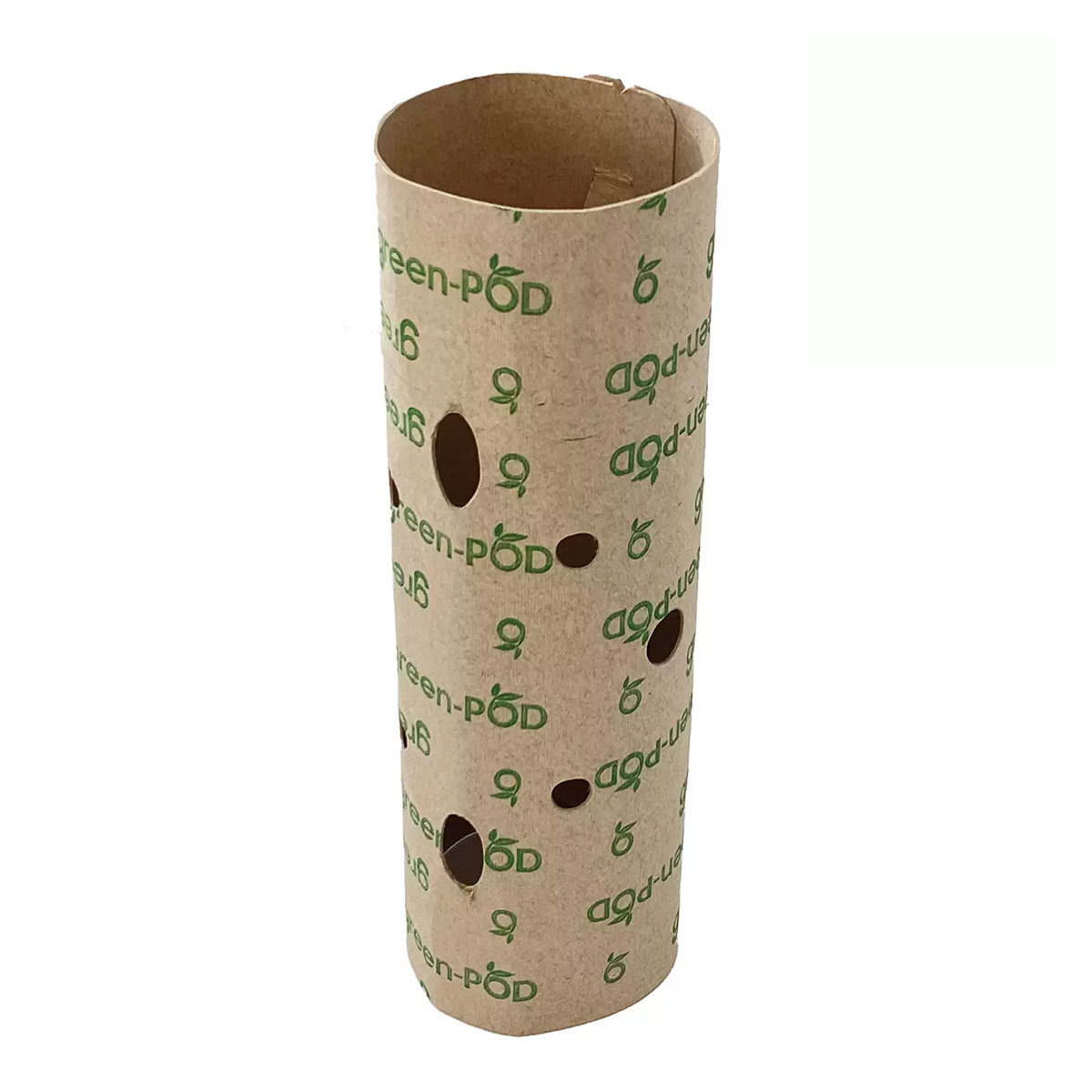
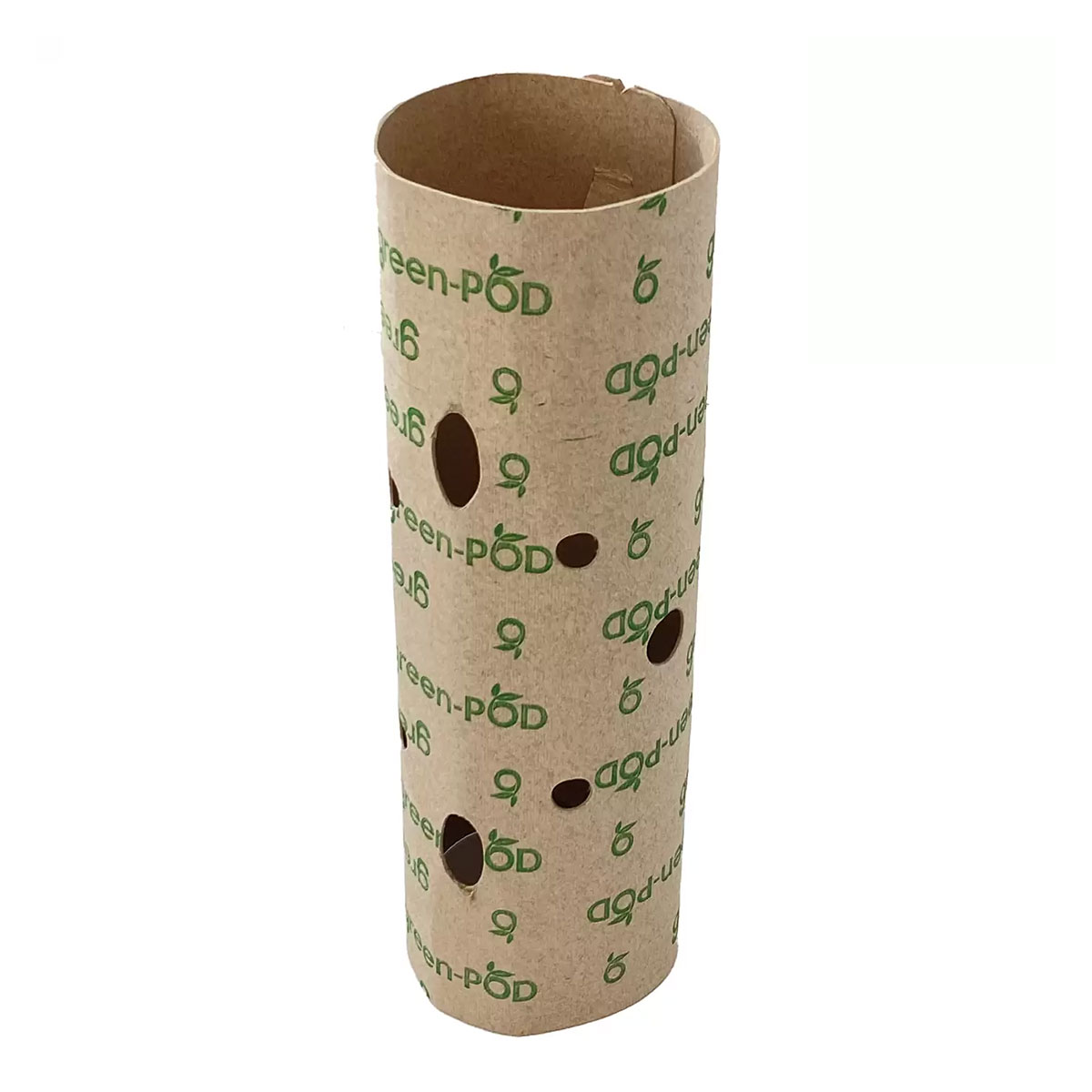
Metal mesh guards and rigid corflute guards are commonly reused across multiple planting seasons. After removal, clean off soil and organic debris, check for damage or sharp edges, and store flat. UV-stabilised guards last longer in the Australian sun. Biodegradable guards such as Green-POD enviro seedling guards are designed to break down in place and do not need removal.
Biodegradable guards made from materials like cardboard, jute, or plant-based polymers provide effective short-term protection against browsing, frost, and spray drift. They are well suited to landcare and revegetation projects where collecting thousands of guards after planting is impractical. The trade-off is a shorter lifespan, typically 12 to 24 months, so they work best for fast-establishing species in lower-threat environments.
Two stakes per guard is the standard for most conditions. Place them on opposite sides of the seedling and secure the guard with cable ties at three heights. In very windy or exposed locations, a third stake adds stability and stops the guard from flexing open between attachment points.