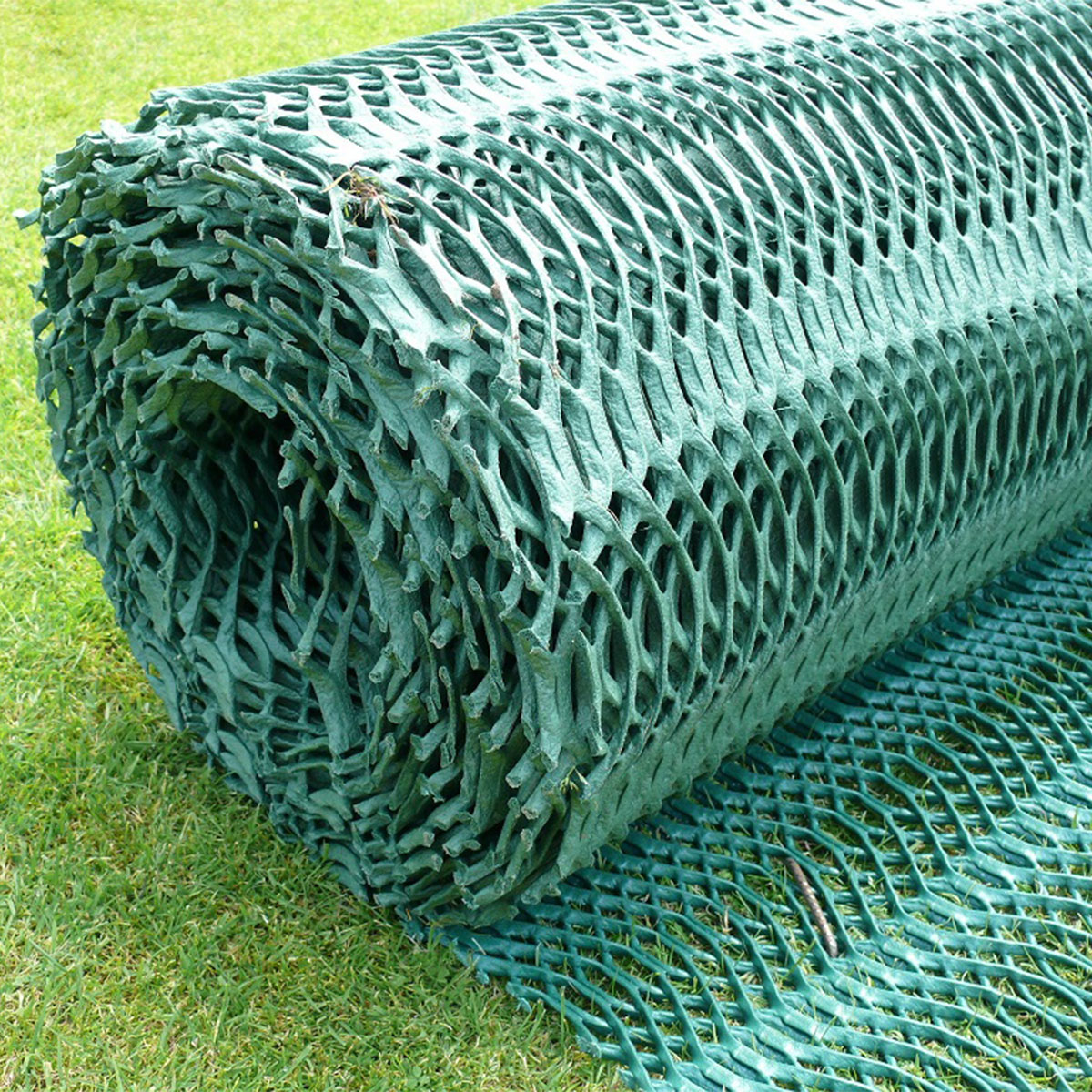
The StoneCutters Ridge Golf Course internal infrastructure project addressed worn grass at pathway entry and exit points. GrassProtecta mesh was laid over the grass and pinned in place so couch grass could grow through it, giving the course a reinforced grass surface where traffic was concentrated.
At StoneCutters Ridge in Colebee, Sydney, repeated golfer and maintenance traffic had worn the grass beside pathways. Bare ground and compacted soil made recovery difficult, particularly where people repeatedly stepped on and off the paths.
The course had been cordoning off damaged areas with ropes to let the grass recover. That restricted access and shifted traffic to another part of the path edge, where the same wear could develop.
The treatment needed to address the point where traffic left a stable pathway and entered softer ground. Repairing only the visibly bare patch would leave the neighbouring grass exposed to the same repeated use.
GrassProtecta, an extruded polyethylene grass reinforcement mesh, was chosen for the project. The mesh was rolled onto the flat grassed surface and secured with metal pins, avoiding extensive excavation for the surface treatment.
The openings allowed the couch grass to grow through the mesh. As the grass established, the intended surface finish remained grass rather than exposed mesh.
For a comparable narrow treatment area, the GR11 grass reinforcement mesh in a narrow roll is one product option to discuss with the supply team. Confirm the grade against the site's traffic and ground conditions before ordering.

All Stake Supply's published StoneCutters Ridge project record attributed the establishment result to course superintendent David Aplitt. He reported couch grass growing through the mesh within two to three weeks, with complete coverage after six weeks, under the watering and care provided on this project.
The project account also reported protection of the couch grass through winter and growth in spring. The installation combined physical reinforcement with continued turf care.
Start by watching how golfers and maintenance staff use the path. The treatment boundary should follow the worn access route, including the turn or step-off area, rather than ending immediately at the last bare patch.
Walk the site after rain as well as during ordinary use. A surface that feels firm in dry weather may behave differently when wet, which matters when deciding whether a mesh treatment is appropriate.
Keep these observations with the material order. They give the supplier a better basis for discussing a mesh grade than a photograph of dry grass alone.
For broader pathway approaches, the GR11 grass reinforcement mesh in a wider roll provides another layout option. Plan the roll positions and edges against the measured treatment area to avoid unnecessary cuts.
The StoneCutters Ridge account identifies grass reinforcement mesh, but it is not a complete specification for another course. Choose materials using the intended traffic, soil support and installation requirements for the product being supplied.
TERRAM's GrassProtecta product information lists different grades and provides technical data and installation guidance. It also makes ground conditions relevant to vehicle use, so a load figure should never be transferred to every mesh installation.
| Item to assess | Why it matters at a pathway edge | Ordering decision |
|---|---|---|
| Traffic pattern | Walking, turning carts and maintenance access place different demands on the surface. | Confirm the appropriate mesh grade. |
| Area shape | Narrow exits and wider approaches need different roll layouts. | Choose roll dimensions after measuring. |
| Ground support | A soft or uneven base can undermine the surface treatment. | Resolve preparation needs before installation. |
| Fastening | Edges and joins must stay against the ground. | Confirm compatible pins and fixing layout. |
If the route includes more demanding traffic, ask whether GR14 grass reinforcement mesh for the proposed access route is suitable.
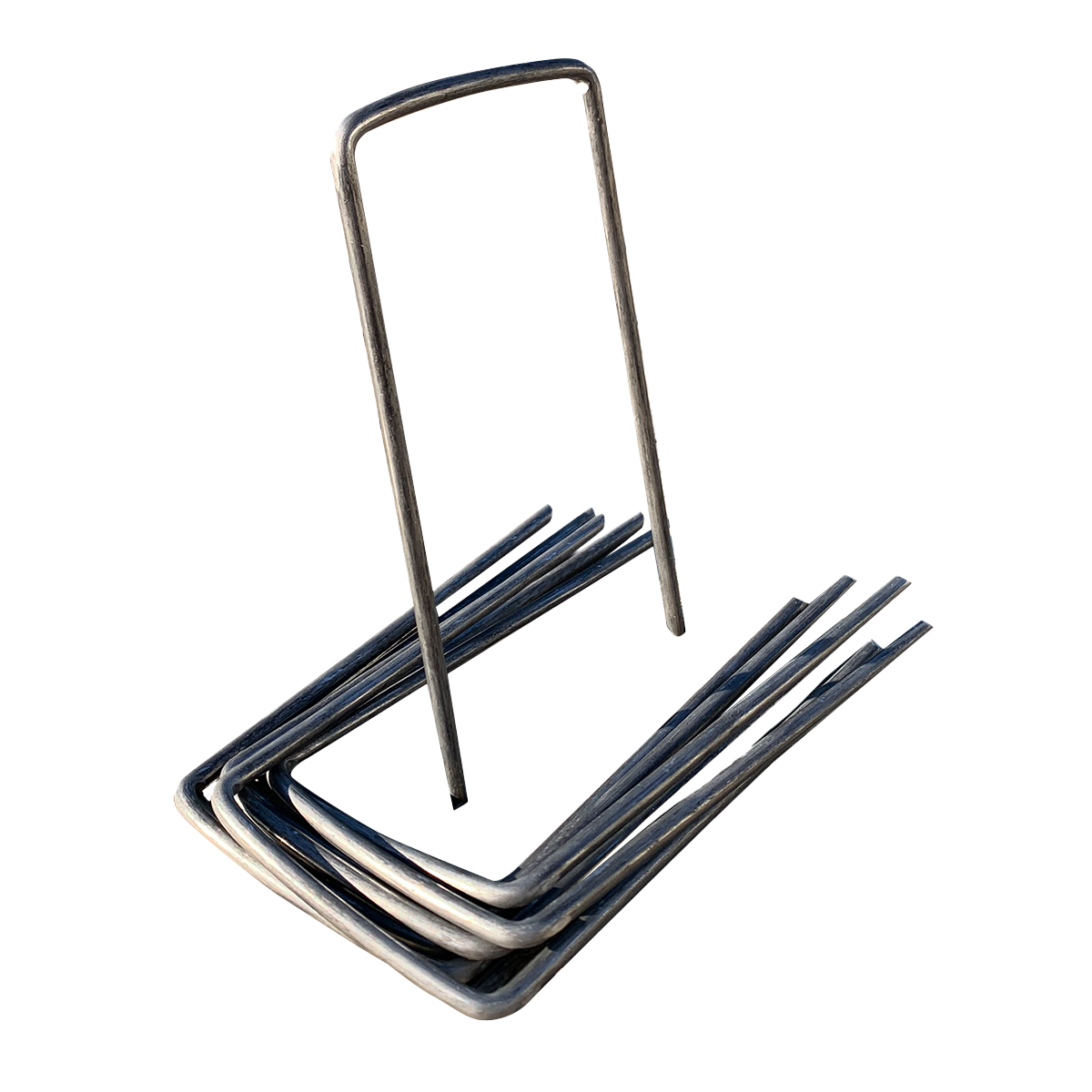
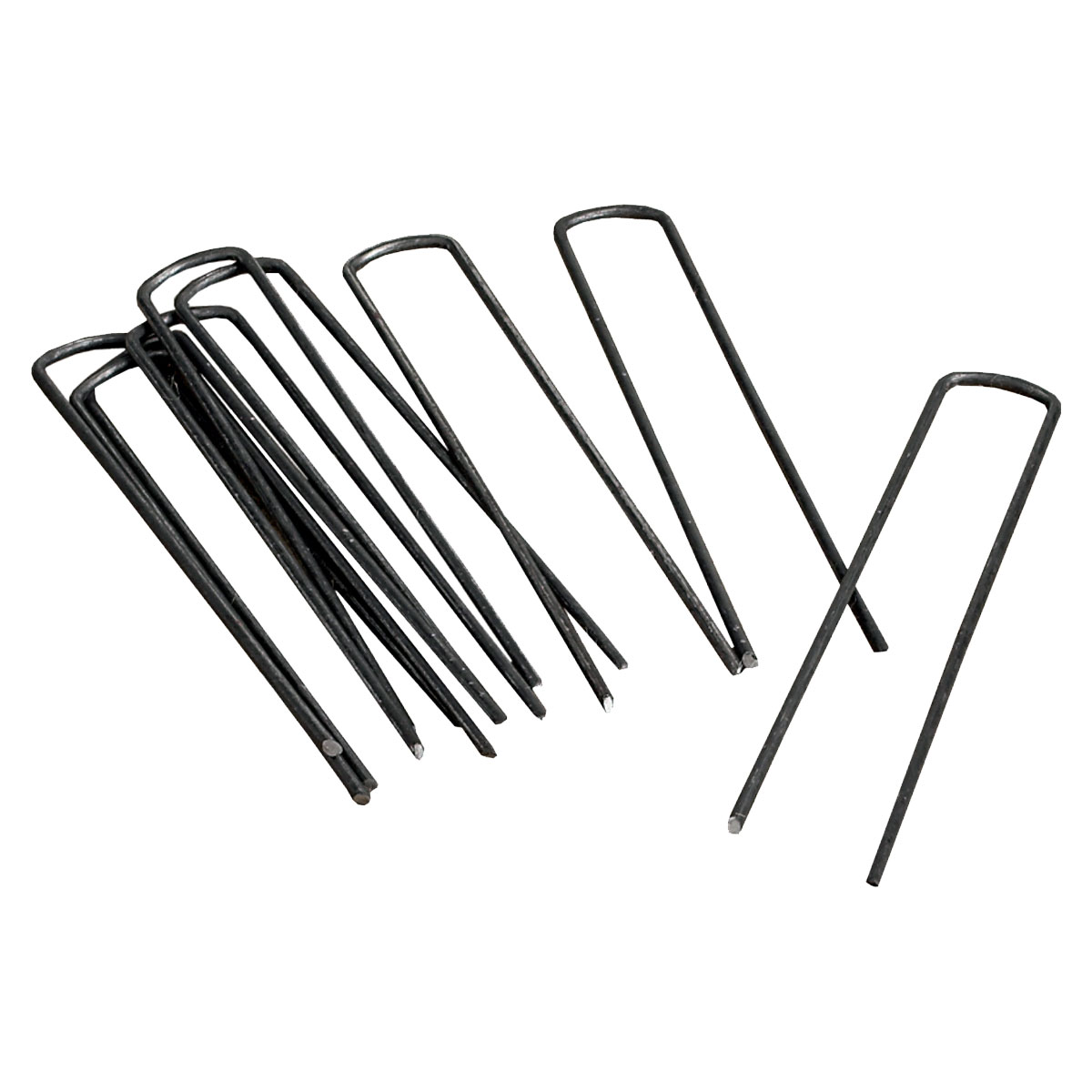
Discuss steel fastening pins for securing the mesh as part of the same order. Check compatibility and quantity against the chosen mesh instructions.
The recorded installation used a flat grassed surface and metal pins. For a new project, follow the supplied installation instructions and agree on responsibility for preparation, laying, inspection and reopening before work starts.
A longer fixing is a separate selection decision: longer steel fastening pins for suitable ground conditions are available, but the installer should confirm whether they suit the mesh and soil. They are not automatically interchangeable with the fixings specified for another product.
Record the installed product, roll layout and fixing details for the maintenance team. That information helps staff inspect the same vulnerable edges later and order matching materials if a local repair becomes necessary. Photograph the treated edges at handover so later inspections can identify movement or new wear against a clear starting point.
A porous mesh finish was part of the StoneCutters Ridge brief. Water passing through the mesh still needs somewhere to go in the underlying ground; reinforcement alone does not repair a drainage defect.
Where a pathway repair also involves subsurface drainage, choosing geotextile drainage fabric for the drainage detail is a separate task. That material was not identified as part of this golf course installation.
Continue checking the treatment after it reopens. Look for grass wear along the edges, displaced fixings and new traffic routes that bypass the protected area, then adjust maintenance or access arrangements accordingly.
The project addressed grass around pathway entry and exit points.
The project account described restricted member access and wear moving further along the path. Reinforcing the access points addressed the places where traffic repeatedly returned.
The recorded approach was to roll mesh over a flat grassed surface and secure it with metal pins. A new installation should follow the instructions for the exact product supplied.
The course superintendent reported initial growth through the mesh after two to three weeks and complete coverage after six weeks. Those observations depended on the care and conditions at this installation.
No. Its openings allow water through the surface, but underlying soil and drainage determine what happens next. Persistent wet ground needs assessment before selecting a surface treatment.
No. Check the proposed traffic, soil support and installation requirements. A pedestrian step-off area and a maintenance vehicle route may need different specifications.
StoneCutters Ridge used grass reinforcement mesh to protect worn pathway access points while retaining a grass finish. The reported couch recovery supports the value of combining reinforcement with watering and turf care.
When planning a similar repair, contact the team about your golf course pathway requirements with the treatment dimensions, traffic type and ground observations. Additional fixings and preparation materials can be considered alongside the full product range for the planned pathway works.
The products below are options for assessing a comparable project, not a record of every item supplied to StoneCutters Ridge.