Do guests or family members park on your grass without thinking about the consequences? Whether you are dealing with regular vehicle traffic, footpaths worn through your turf, or erosion on sloped areas, grass reinforcement products protect your lawn without sacrificing its natural beauty.
You have just finished a hard day getting your lawn to look perfect, only to watch someone park on the grass you sculpted to perfection.
The tyres slip on your soft lawn, or their car leaks oil onto your grass. Perhaps the postie has worn a path to your mailbox. There are several reasons your grass keeps getting damaged, and understanding them helps you pick the right fix.
Here are the most common ways lawns get damaged:
If you have young trees in your lawn area, consider protecting them with medium metal mesh tree guards, which prevent accidental damage from vehicles while allowing plenty of airflow and sunlight.
So what can you do to save your lawn from the damage of having people parking on the grass? You could barricade your lawn with fencing and signs.
You could extend your concrete driveway to fit more cars. But these solutions can transform an inviting space into an outdoor prison, and destroy the pride you had in your once-beautiful lawn.
Traditional lawn protection methods include:
Each of these approaches either costs a fortune, looks uninviting, or simply does not work. There is a better way to protect your lawn while maintaining its natural beauty.
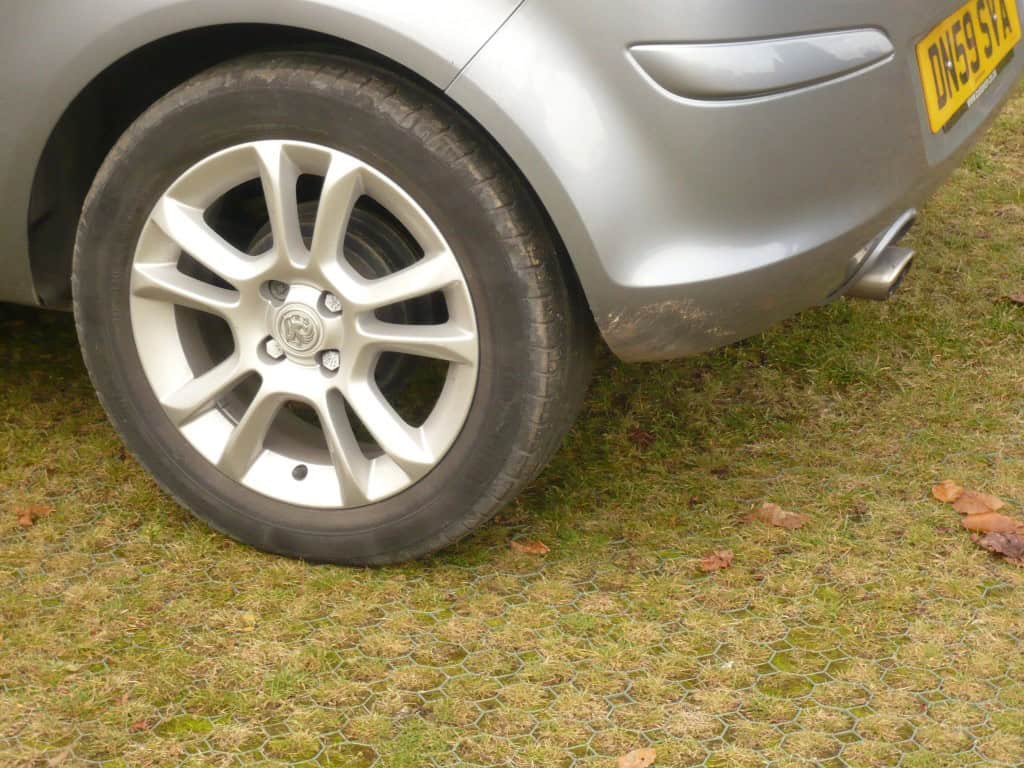
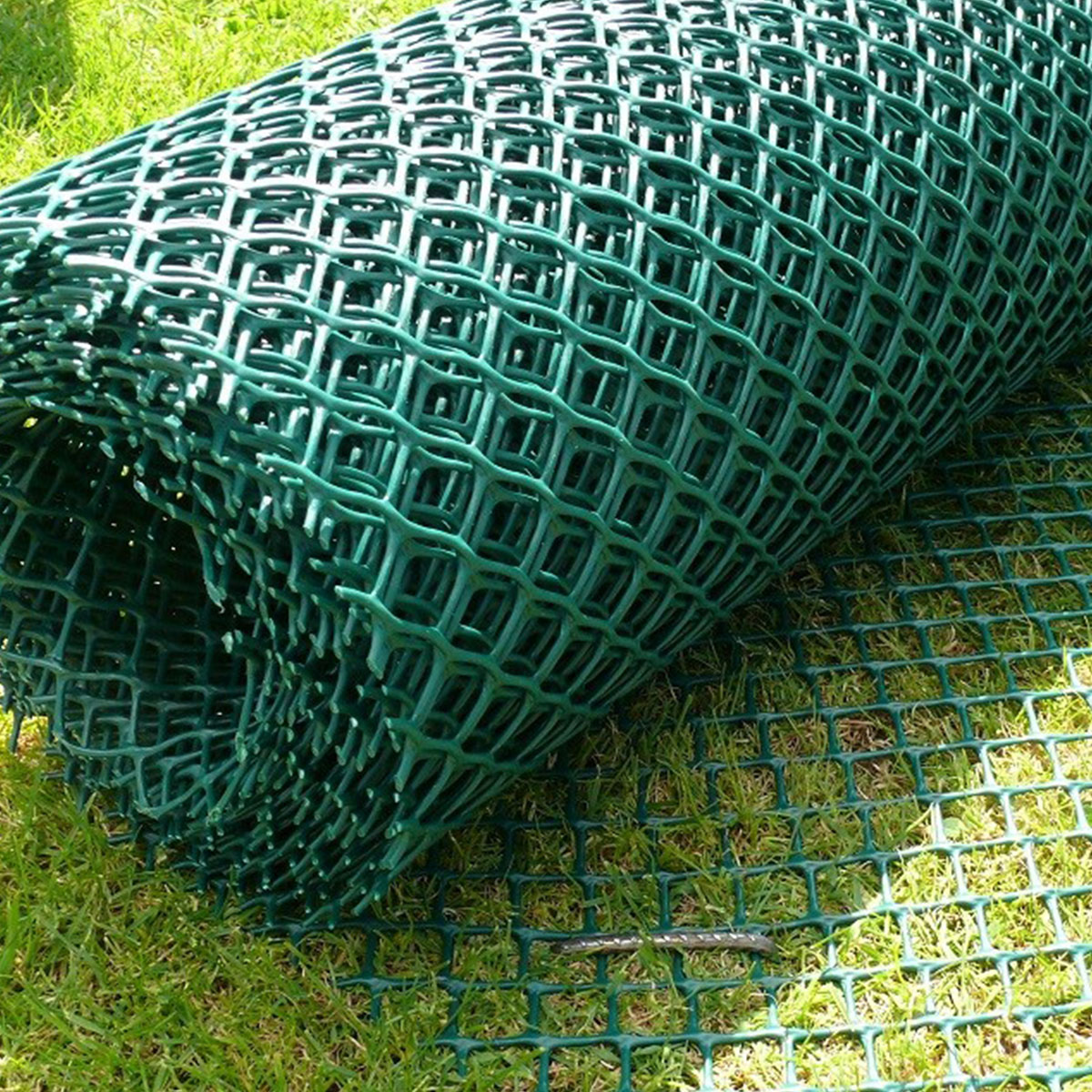
Grass reinforcement mesh is installed at ground level to protect the root structure of your grass and maintain your turf level. The mesh sits just below the grass blades, distributing weight evenly across a wider area instead of allowing it to concentrate in tyre tracks or footpaths.
The grass roots stay protected, the soil does not compact, and your lawn continues to thrive even with regular traffic. Grass grows through the mesh openings naturally, creating a reinforced surface that looks like ordinary lawn but handles significantly more wear.
Most reinforcement products are made from UV-stabilised polypropylene that resists degradation from Australian sun exposure. They are fully permeable to water and air, so your soil stays healthy and turf growth is not disrupted.
Not all grass reinforcement products are created equal. The right choice depends on what type of traffic your lawn receives and how often. If you are not sure where to start, this guide on which grass, turf, or gravel reinforcement is right for you walks through the decision in detail.
Here is a quick comparison of common usage scenarios:
For lawns that receive mainly foot traffic, the TR4 turf reinforcement mesh manages this weight ratio perfectly while allowing grass to grow through naturally.
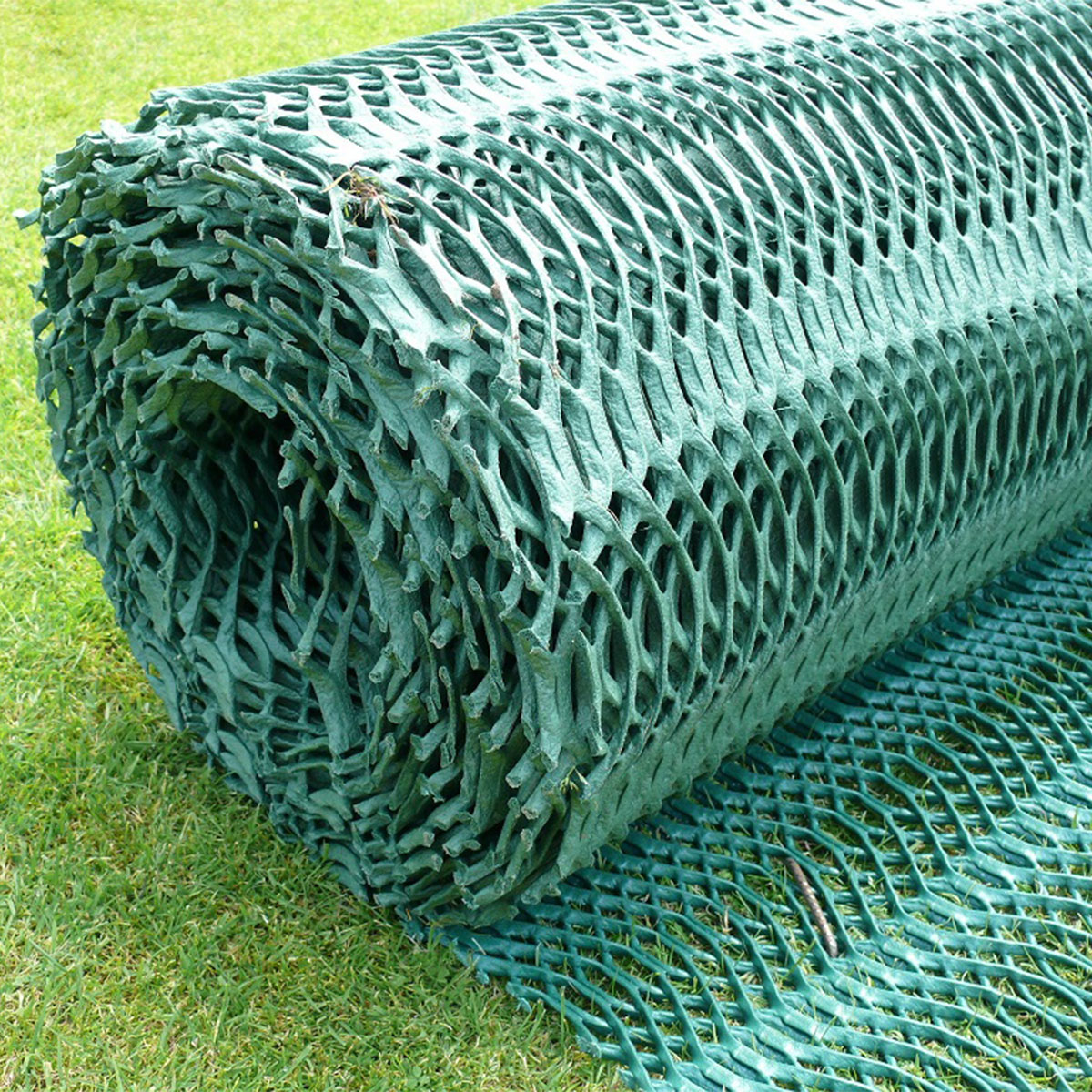
For areas dealing with less regular vehicle traffic, the GR11 grass reinforcement mesh provides the strength to protect your turf from compression damage.
Installing grass reinforcement mesh is straightforward but does require some preparation. The area needs to be relatively level, free of large rocks or debris, and ideally with established grass already growing.
For new installations, you can lay the mesh first and then seed or turf over it. The grass will grow through the openings within a few weeks.
Basic installation steps include:
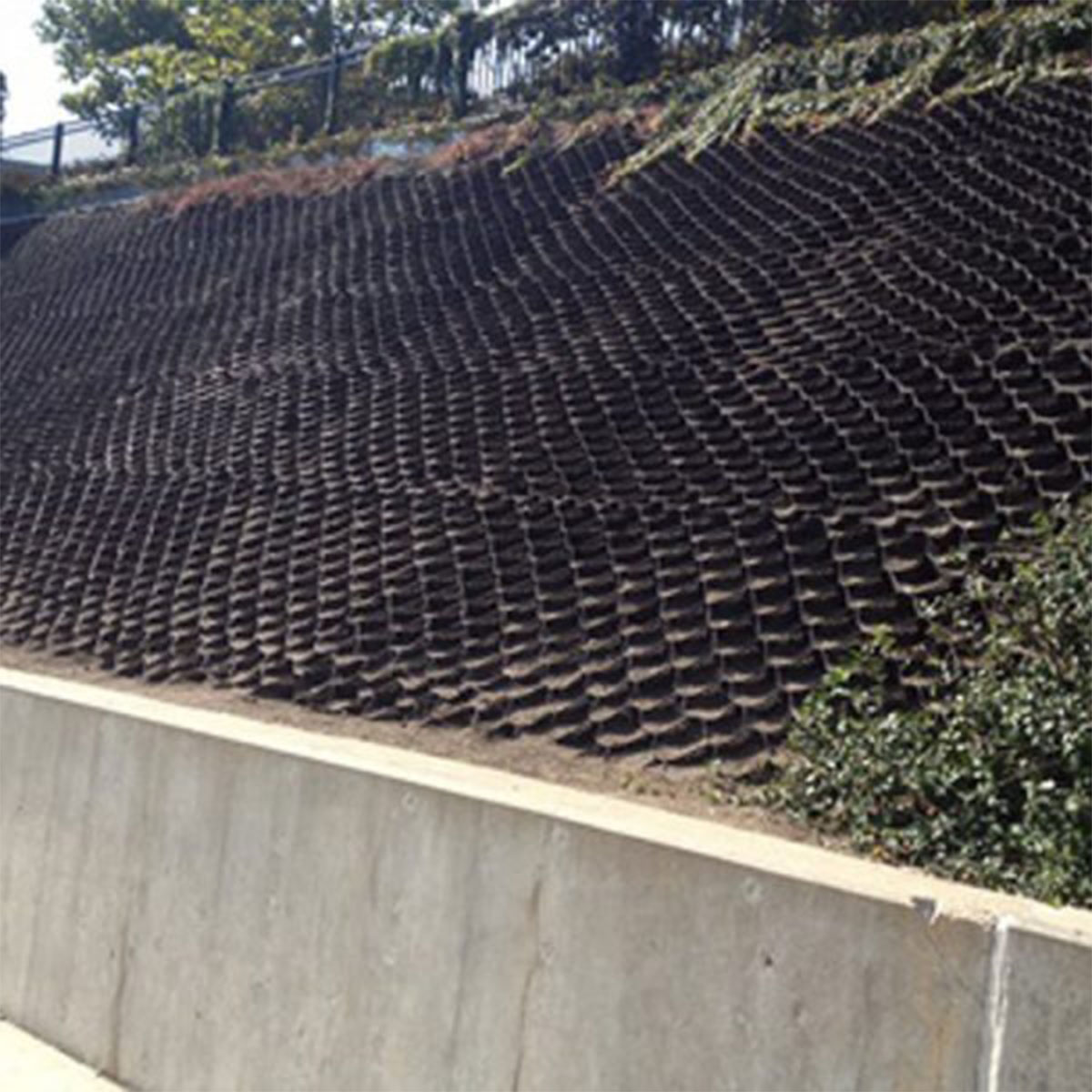
For steeper lawn areas prone to erosion, the GR14 grass reinforcement mesh offers additional stabilisation to keep soil and grass in place during heavy rain.
Once installed, maintenance is minimal. Continue mowing as normal (the mower runs straight over the mesh), water during dry periods, and fertilise according to your grass type's needs. Allow four to six weeks for the grass to establish through the mesh before applying full traffic loads.
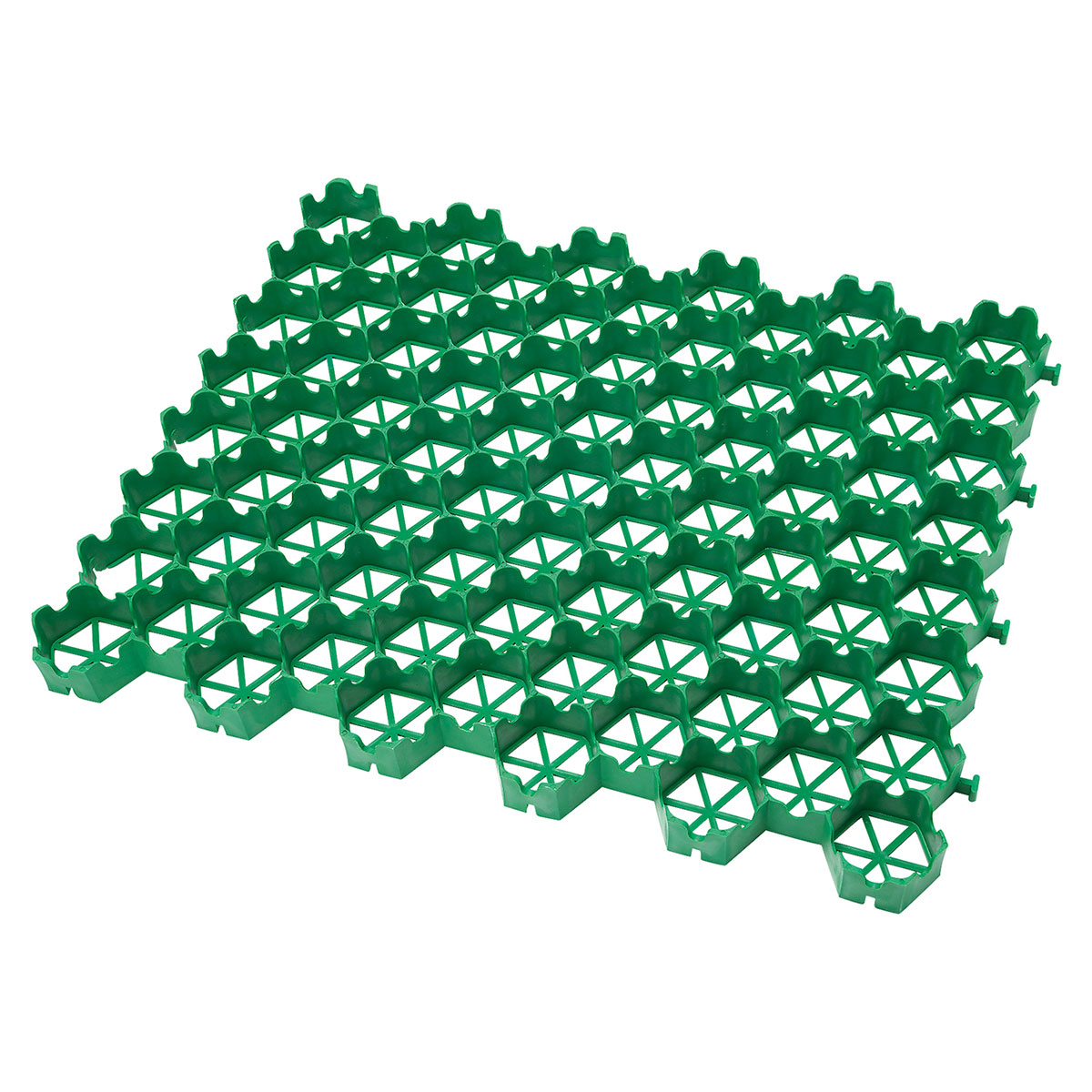
For areas that get daily wear and tear, All Stake Supply offers heavy-duty options. The EconoGrid 40 porous paving system and the Miracell honeycomb grid system provide superior load distribution while keeping your grass healthy and green.
The cellular grid structure spreads vehicle weight across a larger surface area, preventing the soil compression that kills grass. Each cell contains soil and grass roots, creating a stable surface that can handle cars, utes, and even light commercial vehicles.
These systems are ideal for shared driveways, overflow parking areas, fire access lanes, and anywhere you need the strength of pavement with the environmental benefits of grass. If you are reinforcing land that receives high traffic regularly, a cellular grid is often the better long-term investment compared to rolled mesh.
Grass reinforcement is not just for residential lawns. Councils, property managers, and commercial operators across Australia use these systems to maintain green spaces that double as functional surfaces.
Common commercial applications include:
Permeable surfaces like reinforced grass also help manage stormwater runoff, a growing concern in urban areas. Unlike concrete or asphalt, reinforced turf allows rainwater to soak into the ground naturally, reducing pressure on stormwater systems. Research by the CSIRO on Australian soil health highlights the importance of maintaining permeable ground surfaces in developed areas.
For trade and bulk orders, contact All Stake Supply for competitive pricing on commercial quantities.
Yes. Grass reinforcement mesh distributes weight across a wider surface area, preventing the concentrated pressure that causes ruts and bare patches. Once the grass grows through the mesh openings, the reinforced surface handles foot traffic and vehicles without the damage you would see on unprotected turf.
Yes. The mesh sits below the grass blade height, so your mower runs straight over it without snagging. Set your mowing height to at least 30mm and mow as you normally would.
UV-stabilised polypropylene mesh products typically last well over a decade in Australian conditions. Heavier cellular grid systems can last even longer with minimal maintenance.
Yes. Mow the grass short, level any dips, roll out the mesh, and pin it down with steel fastening pins. The grass grows through the openings within a few weeks. No excavation is needed for rolled mesh products.
Rolled grass mesh is a lightweight, flexible product suited to moderate traffic. Grass pavers (cellular grids) are rigid panels that handle heavier loads, including regular vehicle parking. Grass pavers are the better choice for permanent parking areas where load capacity matters.
Yes. The mesh sits flush with the ground and has no sharp edges once the grass has grown through. It is commonly used in childcare centres, school grounds, and residential backyards.
Standard grass reinforcement mesh handles pedestrian traffic and light vehicles comfortably. Heavy-duty cellular grid systems can support significantly greater loads, making them suitable for cars, utes, and light trucks.
For rolled mesh, minimal preparation is needed. Mow the grass short, remove large debris, and level obvious dips. Cellular grid systems may require light excavation to sit the grid flush with the surrounding ground level.
No. Both mesh and cellular grid products are fully permeable. Water passes straight through to the soil, which is a significant advantage over concrete or asphalt alternatives that create stormwater runoff.
The right grass reinforcement product depends on your specific situation. Consider the type of traffic, frequency of use, soil conditions, grass variety, and whether the area is flat or sloped. For help choosing the right landscaping supplies for your project, the team at All Stake Supply can walk you through the options.
Call All Stake Supply on 1300 130 123 or browse the full grass reinforcement product range online. Family-owned since 1976, with over 1,000 products in stock at the St Marys NSW warehouse, delivered Australia-wide.