Client: Canberra Cemeteries
Location: Gungahlin Cemetery
Application: Grassed overflow carpark
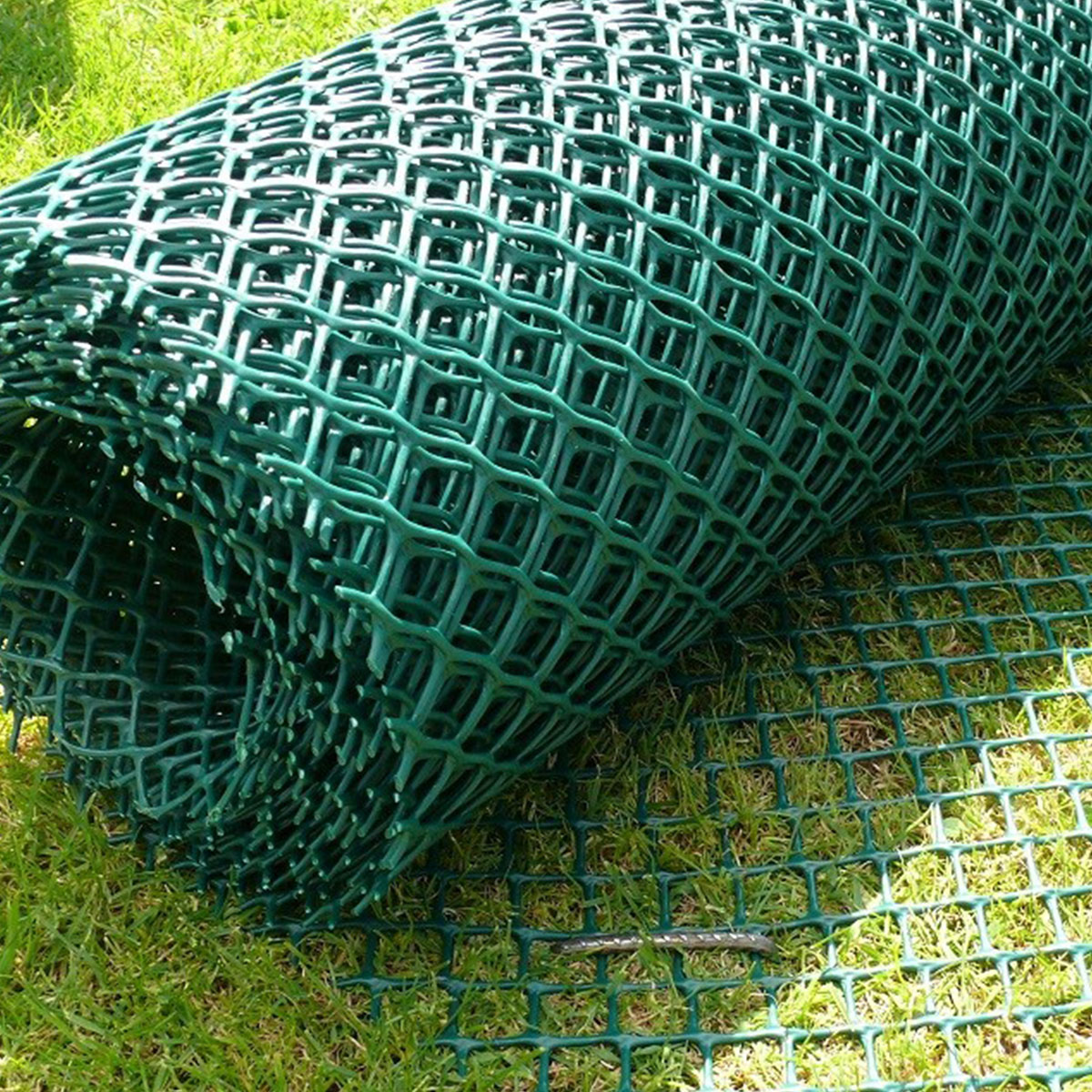
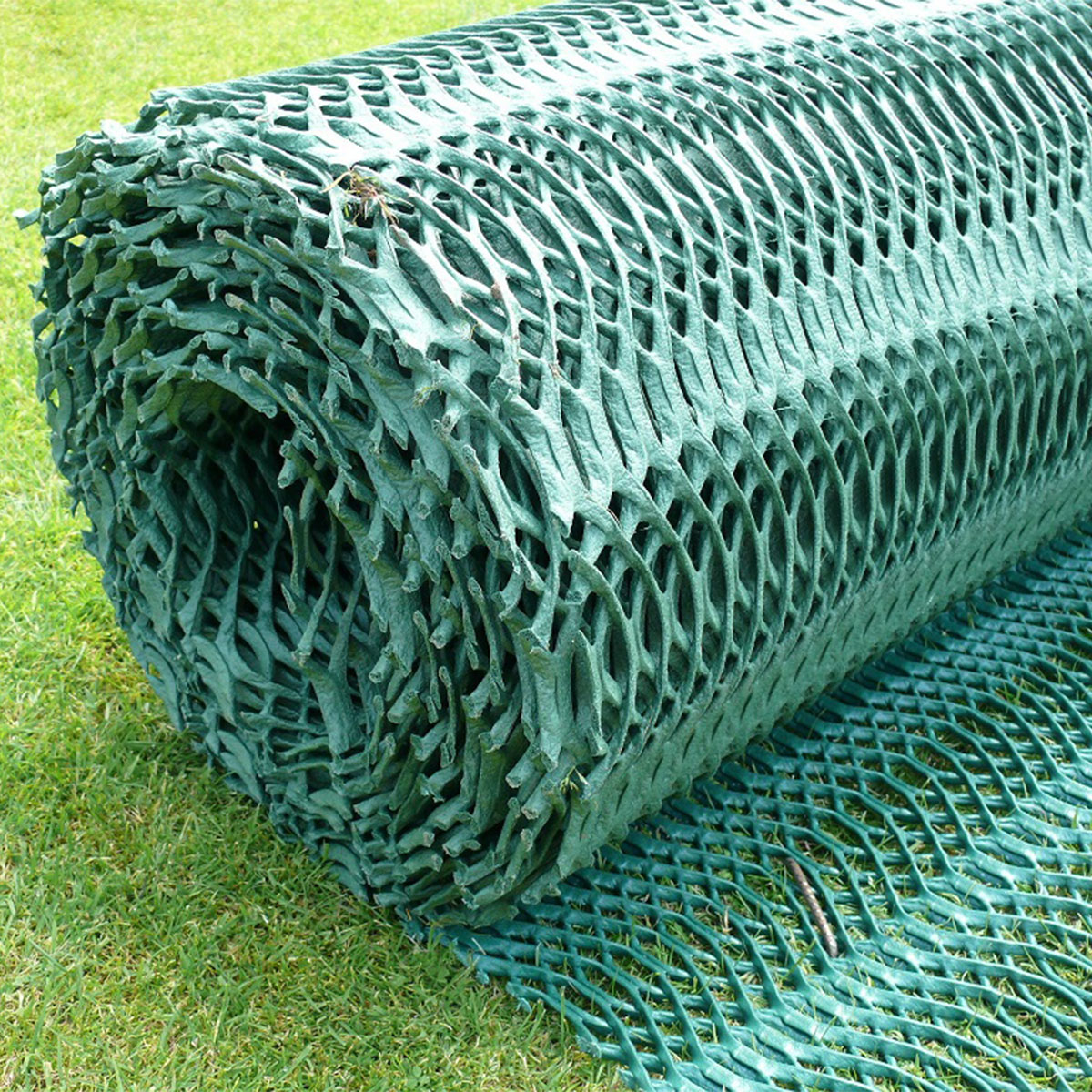
System: Grass reinforcement mesh fixed over prepared turf
Overflow carpark grass reinforcement gives occasional parking areas a firmer, more durable surface while keeping the look and drainage characteristics of grass. The right system depends on the soil, drainage, vehicle load and how often the area will be used.
At Gungahlin Cemetery, the brief was to create an economical alternative to a concrete overflow carpark without losing the site's green appearance. The work involved preparing the ground, laying and pinning the reinforcement mesh, top-dressing it and establishing couch grass through the openings.
The overflow area needed to carry cars when the main parking area reached capacity. For the rest of the time, it needed to look like lawn rather than another expanse of hard paving.
A workable grass carpark needs more than mesh laid over an uneven paddock. The ground beneath it must be stable, reasonably free-draining and able to support the expected traffic.
Site note: Reinforcement protects the turf surface. It will not fix a weak, waterlogged or poorly prepared subgrade, so drainage and bearing capacity need to be checked first.
Tyres concentrate load into narrow tracks. Repeated passes bruise the grass, compact the root zone and form ruts, particularly around entrances, turning points and spaces that are used first.
Wet ground makes the problem worse because the soil has less strength and tyres can shear the turf. The manufacturer's reinforcement guide describes mesh that distributes surface loads while grass grows through its openings; the carpark still needs wet-weather controls.
Because the Gungahlin area carried passenger cars during peak periods, its requirements differed from a daily-use driveway or fire access route. Heavier vehicles or more frequent use may call for a different mesh or a cellular paving system.
| Option and typical use | What to check |
|---|---|
| GR11 grass reinforcement mesh suits occasional pedestrian and light vehicle use on established grass. | Existing turf condition, soil firmness and time available for the grass to knit through the mesh |
| GR14 grass reinforcement mesh suits overflow parking, verges and access routes that need a stronger surface mesh. | Expected vehicle type, frequency of use and entrance wear |
| TR4 turf reinforcement mesh suits light, infrequent vehicle movements and pedestrian areas. | Whether the proposed traffic sits within the lighter-duty application |
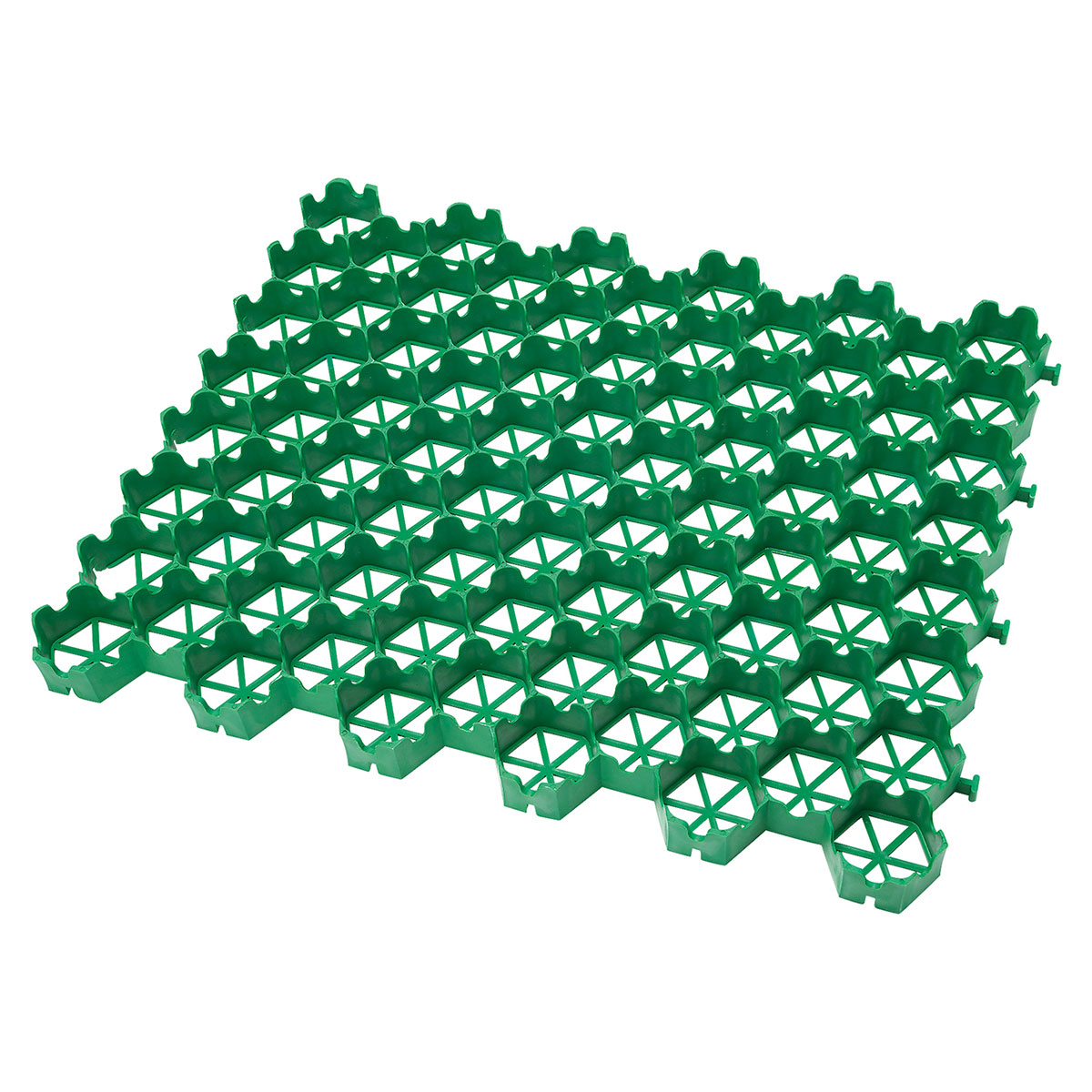
| EconoGrid40 porous paving suits new-build grass or gravel parking where a cellular paving system is preferred. | Excavation, engineered base preparation, fill and edge restraint requirements |
The reinforcement guide also matches products to vehicle type and frequency of use. For a broader explanation of cellular systems, see how grass pavers create reinforced parking surfaces.
Assess the site before selecting the mesh. Light-duty mesh cannot compensate for an inadequate base, and a soft or badly rutted area may need reconstruction before reinforcement is laid.
Design note: Ask for project-specific advice where buses, service vehicles, emergency vehicles or regular daily parking are expected. A system selected for occasional cars should not be assumed suitable for heavier or continuous traffic.
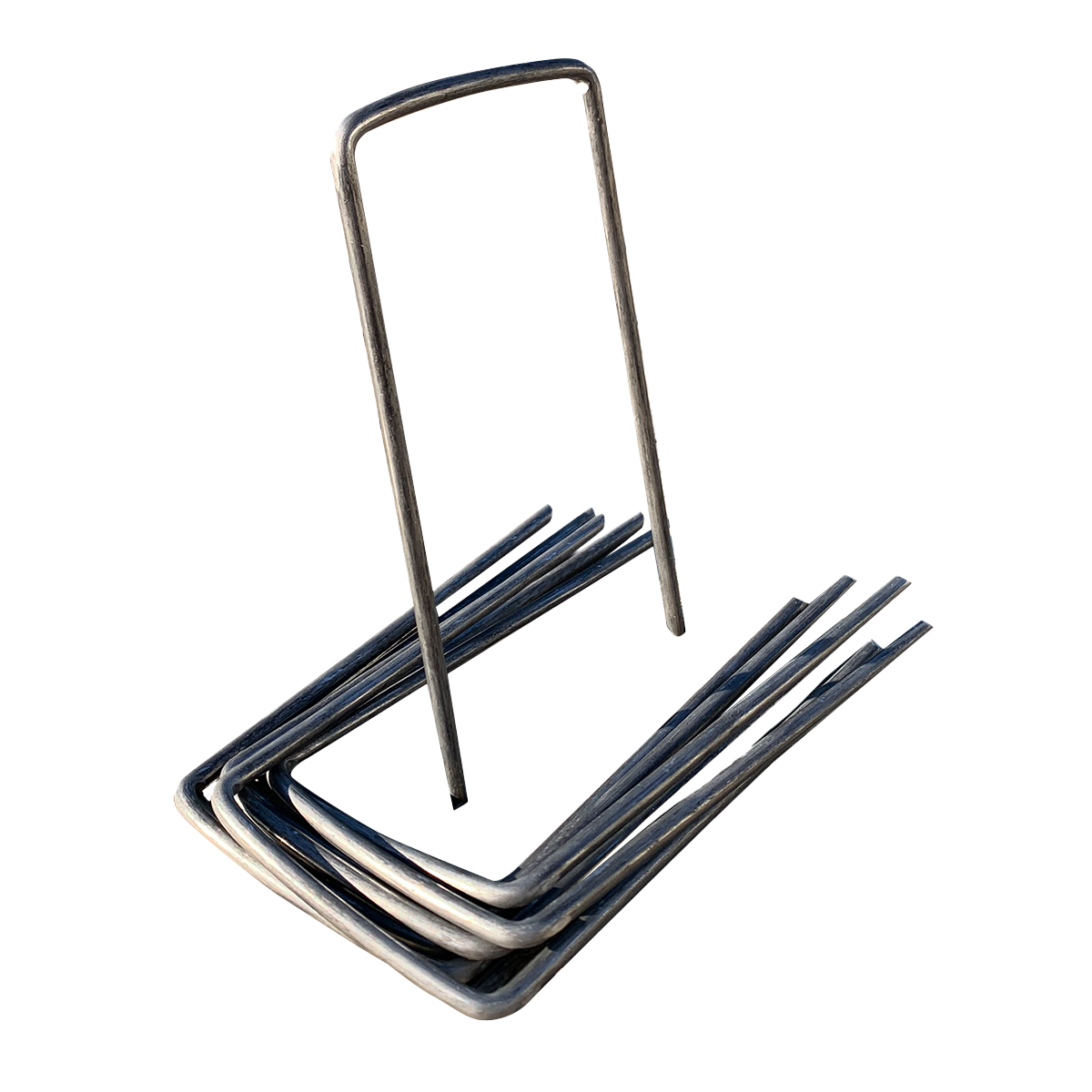
The existing area was cleared and levelled so the mesh could sit close to the ground without bridging over hollows. The project summary identifies grass reinforcement mesh, but not the grade used; it was secured with steel fastening pins for reinforcement mesh.
The mesh was top-dressed with soil and seeded with couch grass. The area was watered and maintained while the grass established through the openings.
The same basic method is set out in this step-by-step grass reinforcement mesh installation guide. Pin quantity and layout should follow the selected product instructions and the site's contours rather than a generic allowance.
Installation details vary by product and site, but the sequence below shows the decisions that matter on a surface-laid mesh project.
Do not bury surface-laid mesh under an arbitrary depth of soil or open the area to vehicles simply because the mesh has been pinned. Follow the instructions for the chosen product, as establishment requirements differ between mesh and cellular pavers.
The Gungahlin project record noted that most of the mesh became covered as the grass established. Slower areas needed continued watering and care so the turf could close over the remaining visible mesh.
Grass coverage is not enough to show that the area is ready for traffic. The soil should be firm, the mesh fully secured and the turf should not lift underfoot.
For another project under carpark conditions, the Port Macquarie GR14 grass reinforcement installation shows the same product category used for a council parking application.
Poor product selection or ground preparation can leave loose mesh, bare wheel tracks and fresh ruts after traffic. Check the site and installation before the first vehicle arrives.
Yes, if the mesh, soil and installation are suited to the vehicle and intended frequency of use. The grass should be established and the mesh secure before the area is opened, and traffic may need to stop during very wet conditions.
Options include surface-laid grass reinforcement mesh, turf reinforcement mesh and cellular porous pavers filled for grass growth. The best choice depends on whether the turf already exists, how often cars will use it and whether the ground needs a constructed base.
A good grass parking pad has stable ground, suitable drainage, reinforcement matched to the traffic and enough establishment time. It also has a managed route for vehicles so entrances and turning areas do not take all the wear.
Reinforcement can reduce surface damage, but it does not make saturated soil immune to rutting. Site managers should inspect conditions and restrict access when the subgrade is too soft to carry vehicles safely.
There is no single period that suits every project. Grass species, season, irrigation, soil and the selected system all affect establishment, so opening should be based on turf condition and product guidance rather than the calendar alone.
An open mesh or porous paving system can preserve a permeable surface, but it does not replace subsoil drainage or correct a poorly graded site. Water still needs a suitable path through and away from the pavement profile.
All Stake Supply is a family-owned Australian supplier established in 1976, with technical support available for product and application questions. Browse the full product range for ground reinforcement projects or contact the team about an overflow carpark with the expected vehicle types, use frequency, site dimensions and ground conditions.
At Gungahlin Cemetery, the prepared and pinned surface was progressively hidden as the couch grass established. That is the useful benchmark for a green overflow area: the reinforcement supports occasional parking, then disappears back into the lawn between periods of use.