Non woven geotextile fabric filters soil particles while letting water drain freely through its needle-punched fibre structure.
If you have ever dug a trench for drainage or wrapped ag pipe, you have probably handled this material without knowing exactly what makes it different from woven alternatives. The distinction matters more than most people realise.
This article covers what non woven geotextile actually is, where it works best, which GSM weight suits different projects, and how to install it properly. All Stake Supply stocks non woven geotextile rolls in multiple widths from their St Marys NSW warehouse, ready for same-day dispatch.
Related reading: What Is Geotextile Fabric and How to Use It | Browse the full erosion control range
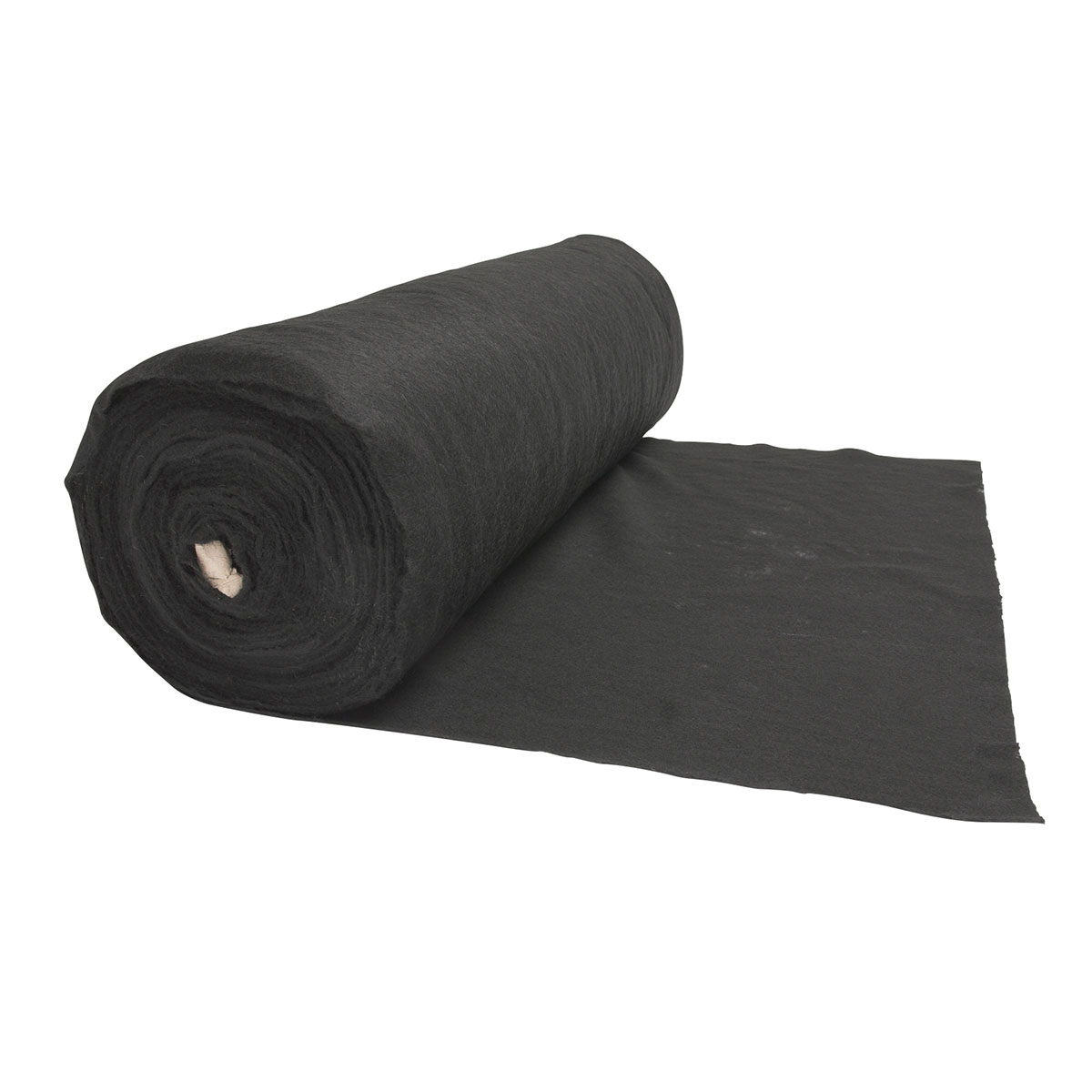
Non woven geotextile fabric is a synthetic sheet made from polypropylene or polyester fibres that are needle-punched together rather than woven on a loom. The manufacturing process drives barbed needles repeatedly through layered fibres, mechanically interlocking them into a felt-like mat. This creates a three-dimensional structure full of tiny channels that water passes through freely.
The result is a fabric that filters soil particles while maintaining high water flow rates. Non woven geotextile typically handles 50 to 70 percent more water throughput than woven alternatives at equivalent weights. That difference matters on any site where drainage performance is the priority.
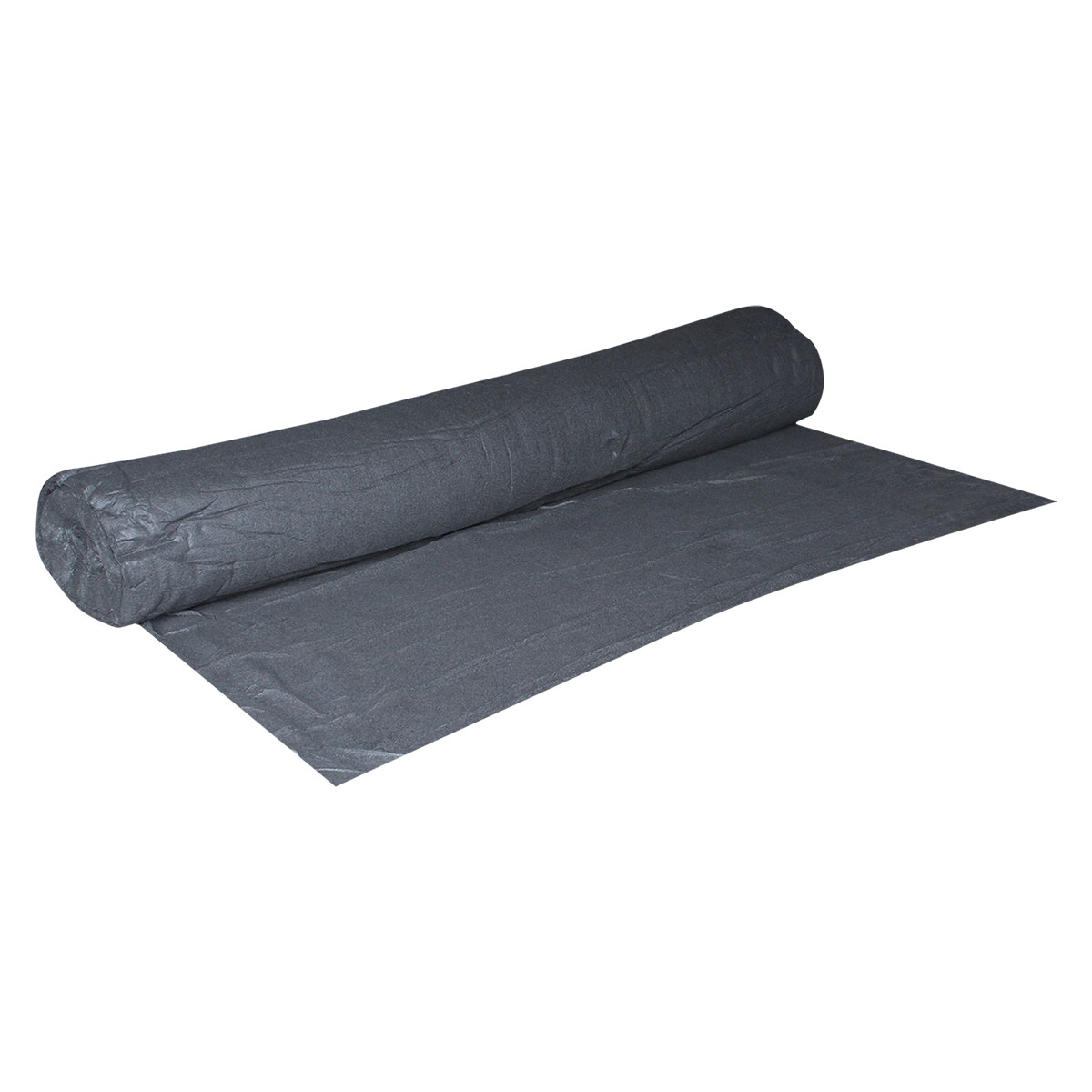
All Stake Supply carries non woven geotextile drainage membrane rolls in widths from 0.6m to 4m, all at 100gsm. That covers everything from garden drainage through to full-width civil trenching.
Choosing between woven and non woven geotextile comes down to what the fabric needs to do on site. They look similar on the roll but behave differently under load and around water. Here is a side-by-side breakdown.
| Feature | Non Woven | Woven |
|---|---|---|
| Water flow rate | 100-150 gpm/ft² | 10-50 gpm/ft² |
| Elongation | Over 50% | 5-25% |
| Best for | Drainage, filtration, pipe wrapping | Stabilisation, separation, load bearing |
| Puncture resistance | Higher for weight class | Lower |
| UV resistance | Moderate (cover quickly) | Generally better |
| Soil conformity | Moulds to irregular surfaces | Stays relatively rigid |
Use non woven when the job involves water movement. French drains, retaining wall backfill, ag pipe wrapping, or erosion control where filtration matters. The three-dimensional fibre structure is what gives it drainage superiority.
Use woven when the job involves bearing load or separating soil layers under roads, driveways, or heavy traffic areas. Woven geotextile has higher tensile strength at low elongation, so it holds position under compressive force. For a broader overview, read our guide on what geotextile fabric is and how to use it.
Non woven geotextile fabric suits any project where you need drainage without soil migration. These are the most common applications across residential, commercial, and civil work in Australia.
Wrap the entire trench in non woven geotextile before adding gravel and slotted pipe. The fabric prevents surrounding soil from silting up the aggregate, which is the number one cause of French drain failure. Without proper filtration, over 70 percent of French drains clog within five years.
Line the back of the wall with non woven geotextile membrane to filter water out of the backfill zone while keeping fines from migrating into the drainage aggregate. This reduces hydrostatic pressure that can push walls forward over time.
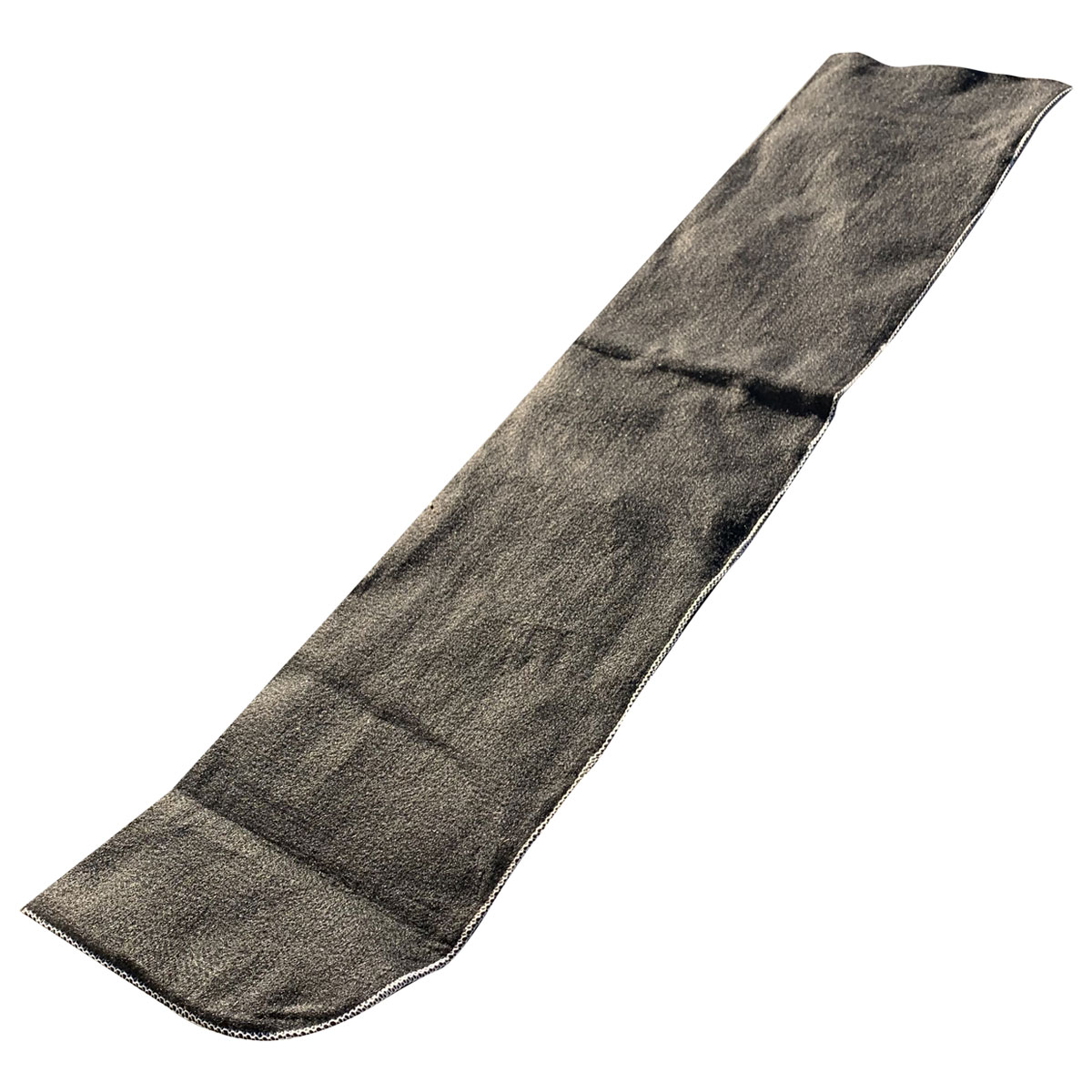
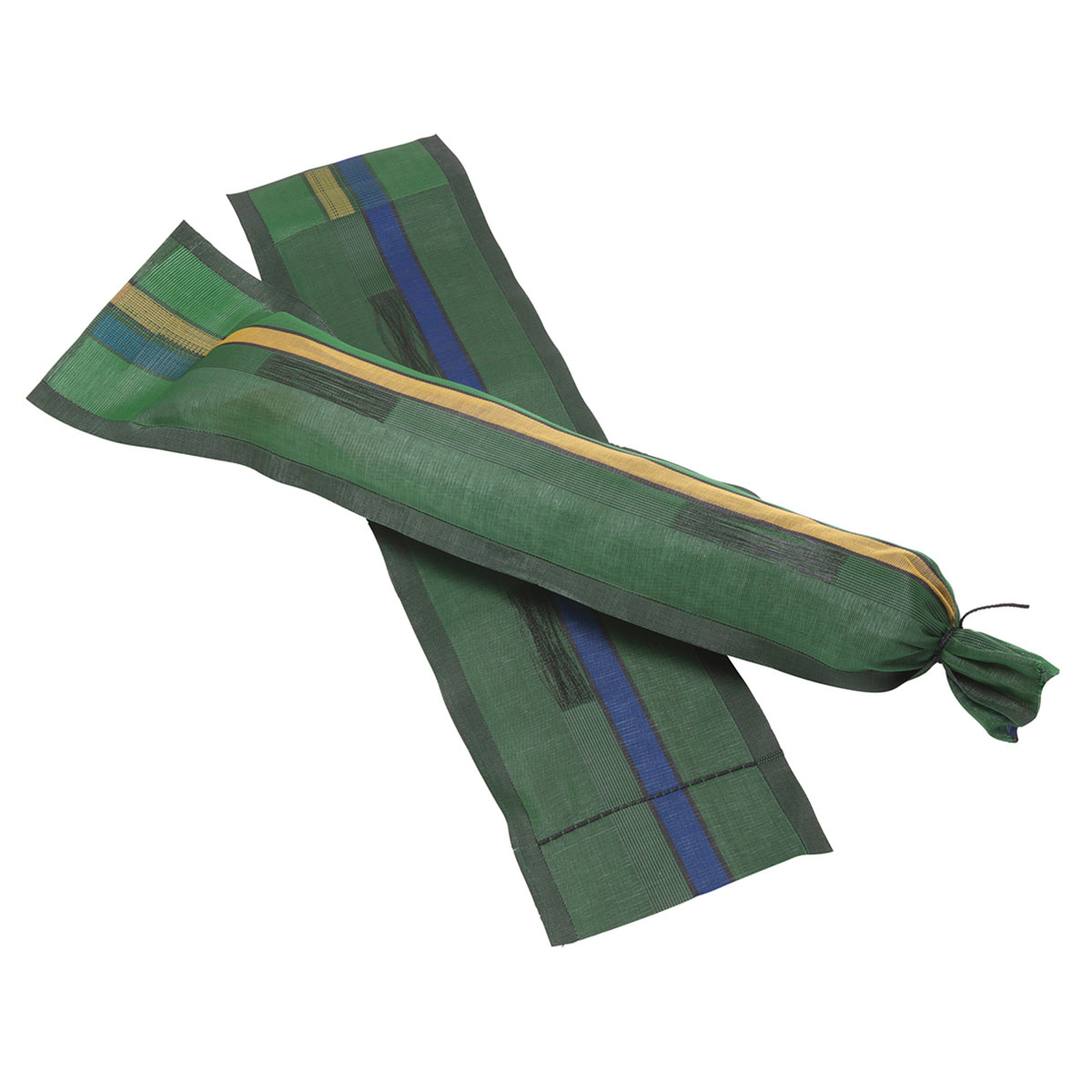
All Stake Supply stocks geotextile filter tubes specifically made for wrapping around ag pipe. These pre-formed sleeves save time on site compared to cutting and wrapping flat rolls by hand.
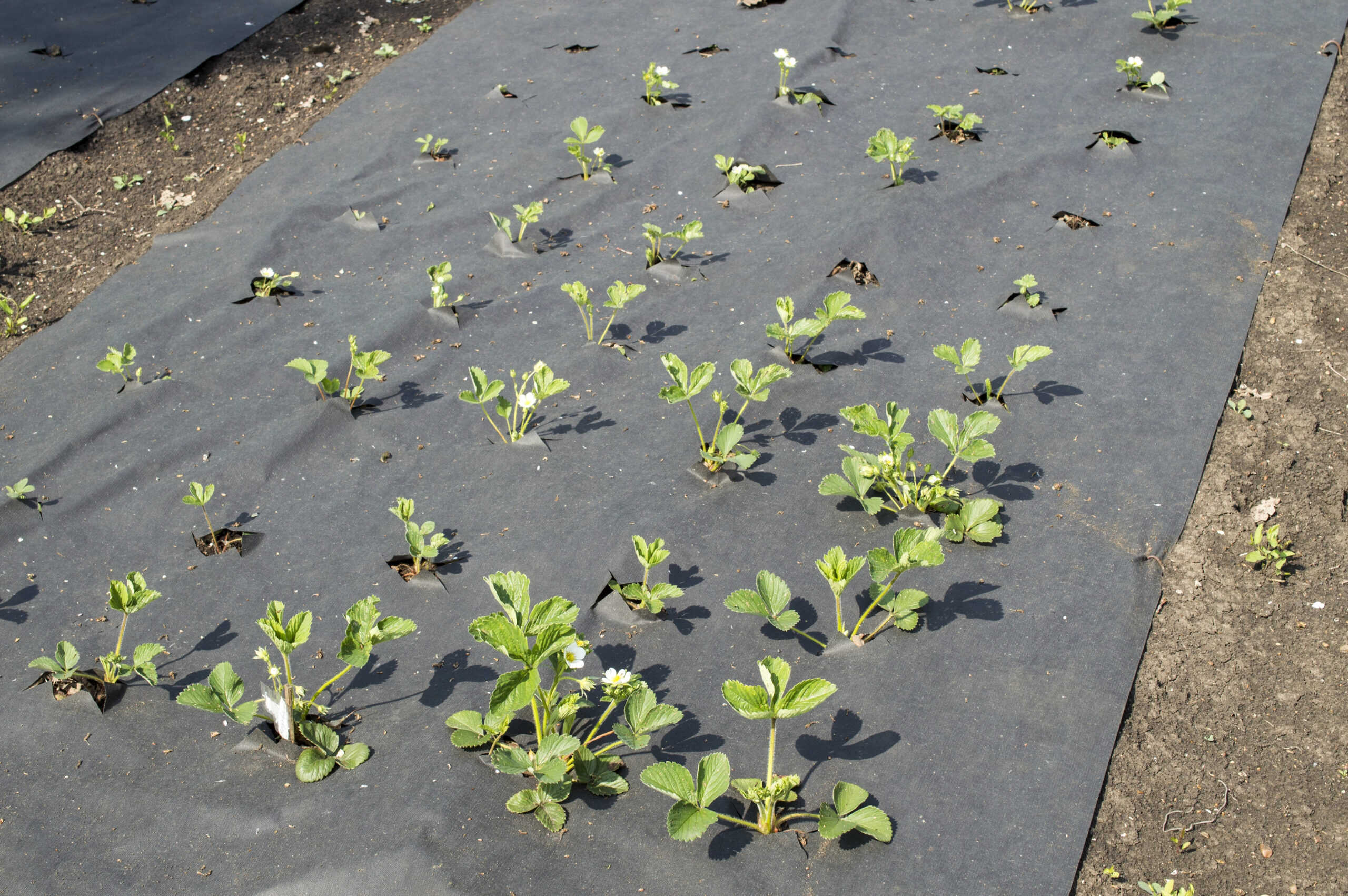
Under gravel paths, around garden beds, beneath raised decks. Non woven geotextile separates soil from aggregate while letting rainwater drain freely. It works for weed suppression too, though purpose-built weed mat is a better choice when weed control is the primary goal.
On construction sites, non woven geotextile lines sediment basins and wraps silt fences. It pairs well with coir logs for bank stabilisation projects where both filtration and physical erosion barriers are needed. The Australian Department of the Environment provides guidelines on erosion management for projects near waterways.
Need help choosing? Contact the All Stake Supply team for product recommendations on your specific project.
GSM (grams per square metre) is the single most important spec when buying non woven geotextile fabric. Heavier fabric handles more load and filters finer particles, but costs more and can be overkill for lighter jobs.
| GSM Range | Typical Applications |
|---|---|
| 100-150 | Garden drainage, pipe wrapping, light landscaping, weed suppression |
| 150-300 | French drains, retaining walls, sub-base separation, moderate erosion control |
| 300-450 | Road construction, heavy traffic areas, landfill drainage layers |
| 450-600+ | Heavy civil engineering, structural applications, hazardous containment |
For most residential and landscape projects, 100gsm non woven geotextile gets the job done. All Stake Supply's 100gsm drainage membrane rolls are the most popular choice for landscapers and DIY drainage projects across Australia.
If you are working to a spec from an engineer or council, check whether AS 3706 compliance is required. This Australian Standard covers testing methods for geotextile performance including tensile strength, burst resistance, permeability, and UV durability across 13 separate test parts.
Proper installation is the difference between a drainage system that lasts decades and one that fails within a few years. The fabric itself is simple to work with, but shortcuts during laying cause most problems on site.
Most non woven geotextile problems come from installation errors, not product defects. These are the ones that catch people out repeatedly.
A quick rule of thumb: if you can see daylight through the fabric when you hold it up, it is woven. Non woven geotextile looks and feels like thick felt. If you are not sure, check with your supplier before laying it.
Non woven geotextile is a synthetic product, which raises questions on projects with environmental sensitivity requirements. Natural alternatives exist, and All Stake Supply stocks those too.
Coir matting and jute mesh are biodegradable geotextiles that break down over 2 to 5 years. They work well for temporary erosion control where you want the fabric to decompose as vegetation establishes. Revegetation projects along waterways, mine rehabilitation sites, and coastal dune restoration often specify natural fibre products for this reason.
Non woven geotextile wins when you need permanent filtration. A French drain, retaining wall, or sub-base separation layer needs to work for decades, not decompose. That said, there is no reason to use synthetic fabric on a revegetation slope where the job is done once roots take hold.
Browse All Stake Supply's erosion control range for both synthetic and natural options, all stocked at the St Marys warehouse and shipped Australia-wide.
Non woven geotextile fabric is the right choice whenever drainage and filtration outweigh load-bearing requirements. Match the GSM to your soil type and project scale, install with proper overlaps and pin spacing, and cover it the same day you lay it.
Browse the full range at All Stake Supply or contact the team for trade pricing and bulk orders. Family-owned since 1976 with over 1,000 products in stock at the St Marys NSW warehouse, orders ship complete and on time, anywhere in Australia.