Client: Macquarie University
Location: X8 car park, Macquarie University, Sydney, Australia
Recorded product: standard 2 m x 20 m grass reinforcement mesh. The closest current option is GR11 Grass Reinforcement Mesh 2 m x 20 m, subject to site assessment. See the grass reinforcement mesh installation guide for the current method.
Application: 7,500 square metres of reinforced grass parking
Related case study: StoneCutters Ridge Golf Course internal infrastructure project
Macquarie University required an interim car park when a former multi-deck parking structure was redeveloped for a building project. The original project brief allowed for a service life of up to 10 years and called for a surface capable of taking cars and buses while limiting water runoff.
The project became the X8 car park on the former golf driving range off Culloden Road. Macquarie University's 2011 Annual Report confirms that X8 replaced three car parks removed to make way for the Australian Hearing Hub and that its matting allowed the existing grass to grow through. The report also records sediment traps and retention ponds as part of the stormwater approach.
All Stake Supply's archived project notes list four practical design requirements:
Macquarie University also published a 2017 notice about a later West 5/X8 extension. That notice concerns a separate expansion, so its parking numbers and construction scope are not used as evidence for the original 2011 installation described here.
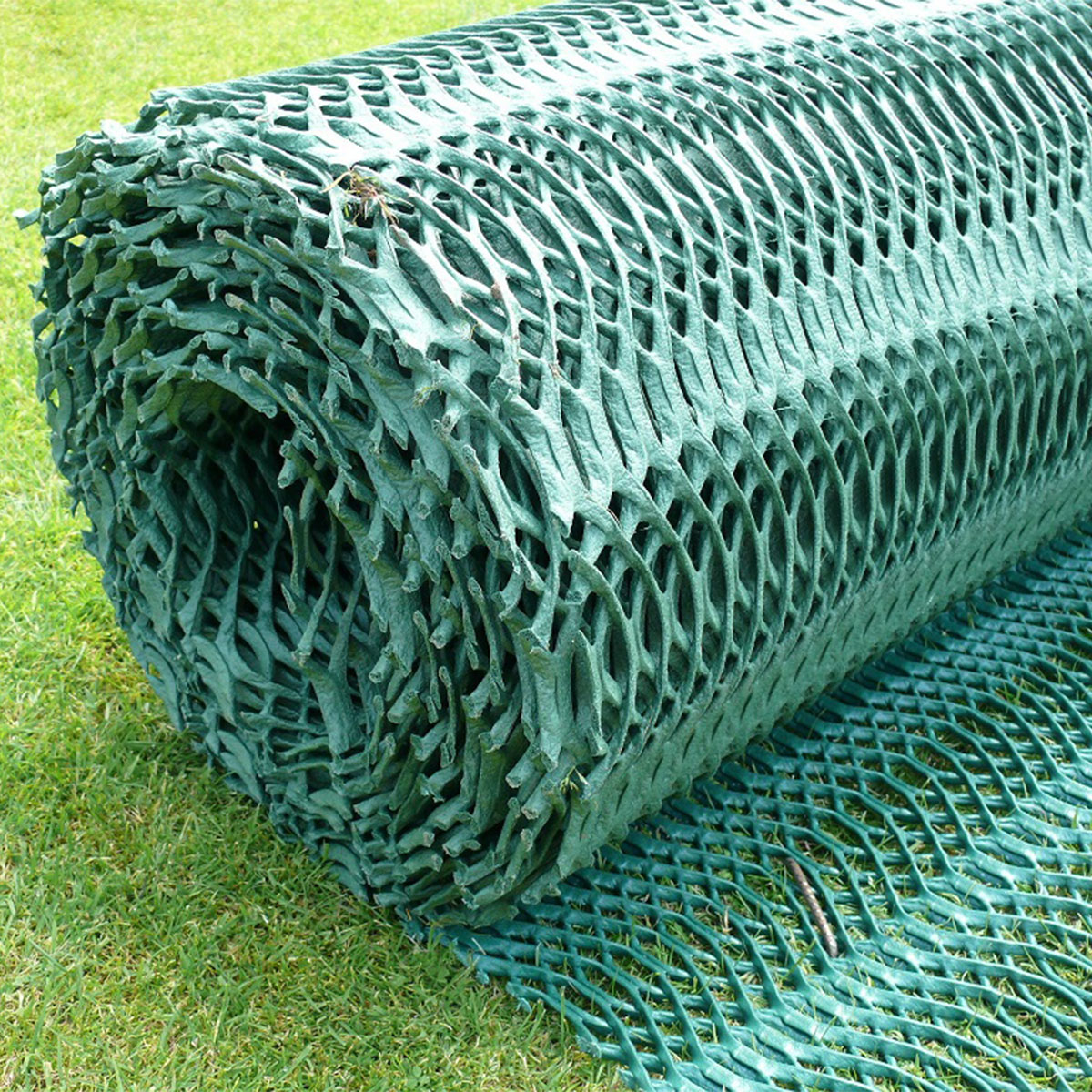
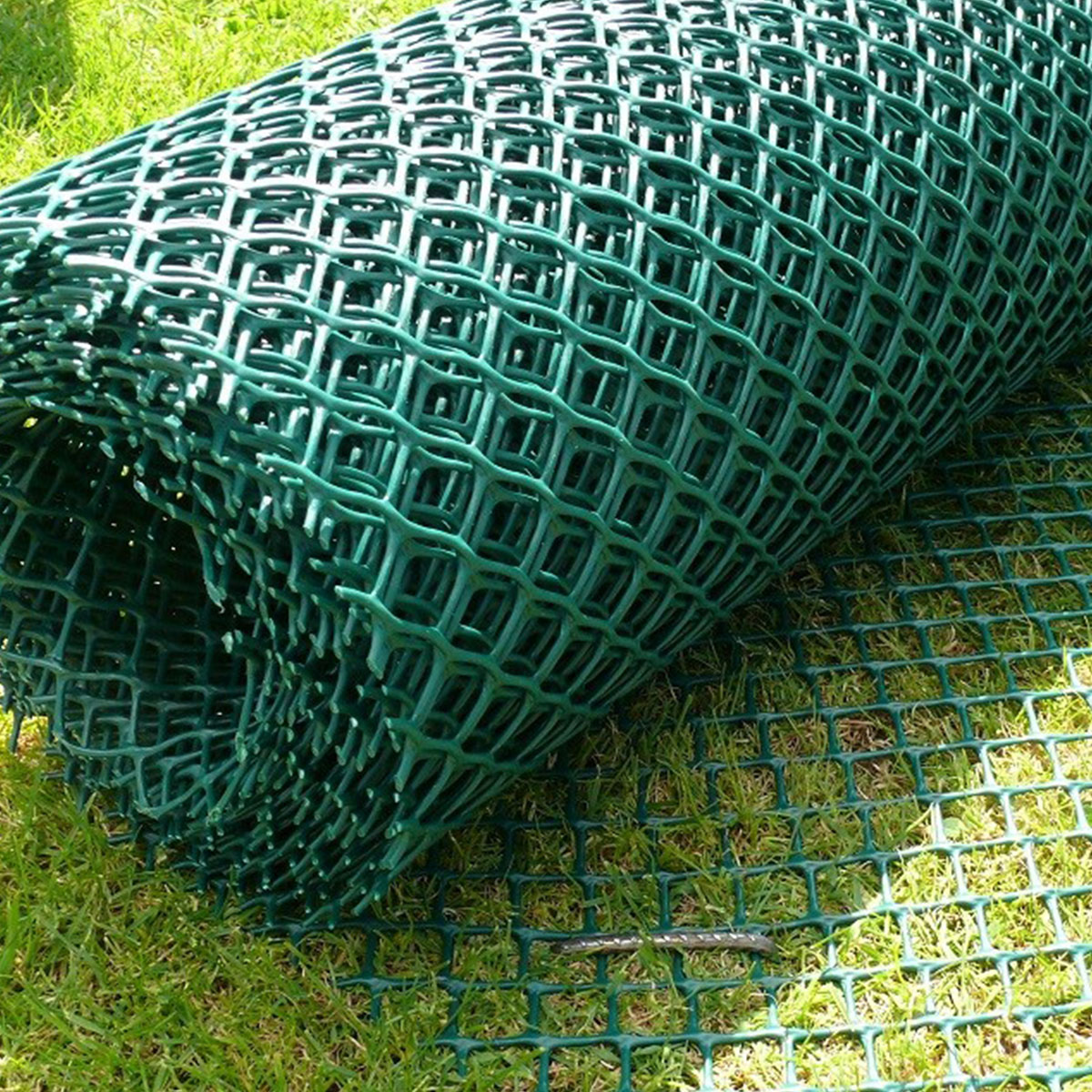
Grass reinforcement mesh was chosen for the Macquarie University X8 car park. The UV-stabilised polyethylene mesh sat over the turf rather than replacing it with a continuous sealed surface.
All Stake Supply's archived project notes identify a standard 2 m x 20 m grade; the closest product in the current range is GR11 mesh for frequent or lighter vehicle applications. This does not establish that today's GR11 is identical to the mesh installed in 2011.
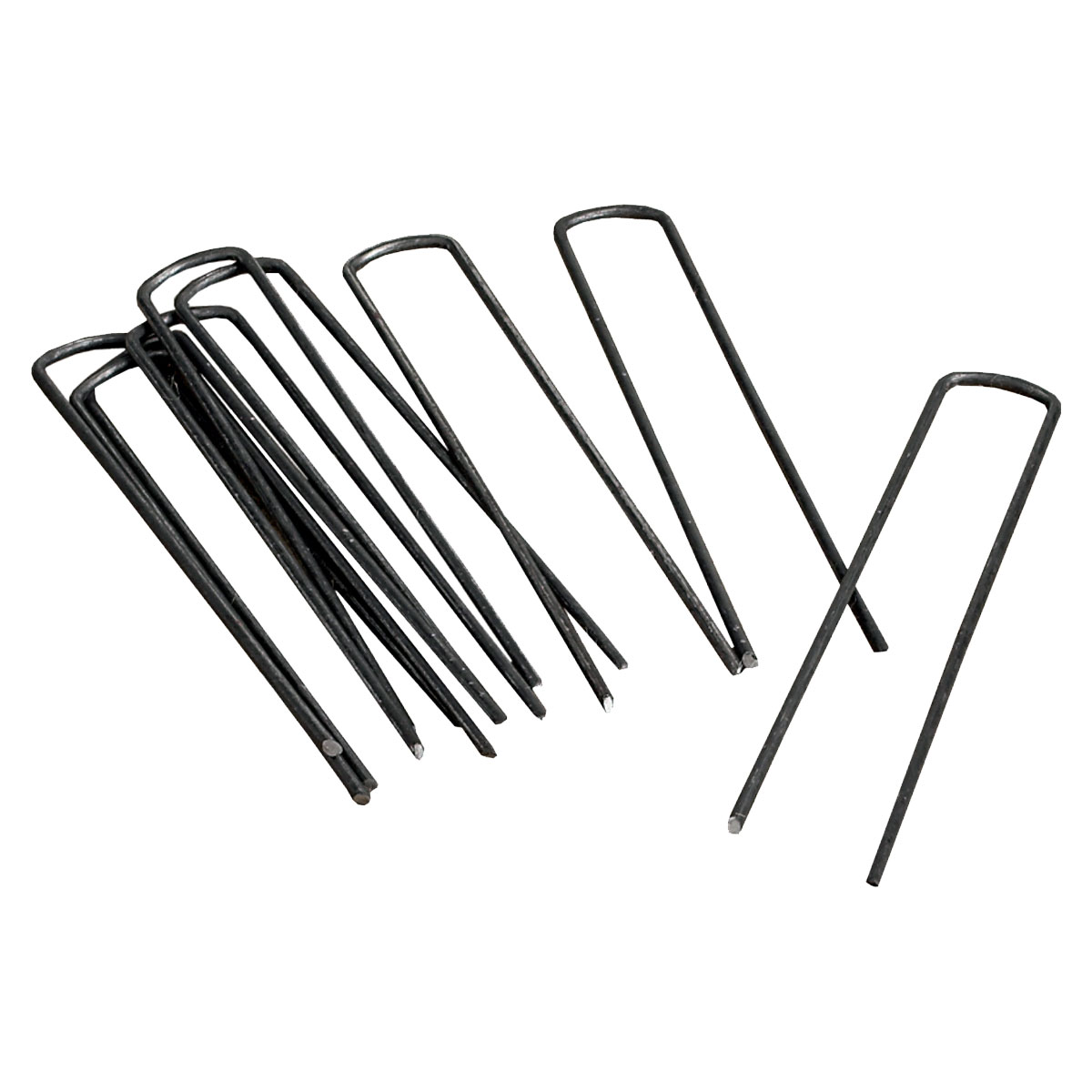
Excavation was required to form open runoff channels and swales, but the gentle gradient meant preparation beneath the mesh could remain limited. The mesh was rolled over established Kikuyu grass and secured to the ground. The grass then grew through the apertures and gradually covered the mesh.
Installation required firm, even turf with adequate drainage. This is different from using a rigid cellular paver where excavation, a prepared base and infill may form part of the specification.
That establishment period mattered. Opening a newly laid system before the turf has knitted through the apertures can leave the mesh exposed to movement and concentrate wear on the grass beneath it. Kikuyu and Buffalo can suit this application when the site and maintenance program support vigorous growth.
The oscillated mesh spreads localised wheel pressure across a wider section of turf and shields the root zone from direct abrasion. The current GR11 product information lists an approximate imposed-load figure of 6 tonnes per axle. That figure is not, by itself, a design rating for a finished car park; the ground, drainage and expected traffic still need to be assessed.
X8 was expected to operate for more than 30 weeks of each year. Its parking layout therefore needed more than a light garden mesh, while still allowing grass to grow through the surface. Current projects can compare the 2 m x 20 m product with the narrower GR11 1 m x 10 m roll for smaller or awkward areas.
Stormwater management was critical because runoff moved towards a local creek. The mesh did not act as the entire drainage system. Instead, it formed one permeable part of a design that also used open grass drainage channels, reinforced swales and a biofilter detention basin to slow and treat runoff.
The open structure allowed rainfall to reach the soil where site conditions permitted infiltration. This supported the project's aim of avoiding an entirely sealed parking surface, while the channels and basin managed water that still moved across the site.
The system answered a particular project brief: temporary parking on an established grassed site where runoff had to be managed. It also kept the option of returning the land to open space more practical than a deep, continuous hardstand construction would have.
| Project requirement | How the X8 design responded |
|---|---|
| Trafficable grass | GR11 mesh reinforced the turf and protected the root zone from direct vehicle wear. |
| Permeable surface | The open mesh allowed water to pass through to the soil where ground conditions supported infiltration. |
| Stormwater control | Channels, swales and a biofilter detention basin managed runoff beyond the parking bays. |
| Campus appearance | Kikuyu grew through the mesh so the reinforcement became less visible as the turf established. |
| Interim use | The surface treatment avoided converting the whole grassed area into a permanent sealed car park. |
The project also shows why product grade should follow use, rather than area alone. For sites expecting more frequent or heavier traffic, the GR14 2 m x 20 m heavy-grade mesh may be the appropriate product to assess.
For pedestrian areas or occasional light vehicles, a lighter TR4 2 m x 30 m turf reinforcement roll may suit. Neither should be substituted solely on price or roll size; the site and loading determine the choice.
Landscapers, civil contractors and facility managers can take several useful lessons from X8. The first is to treat turf reinforcement, drainage and traffic management as one system. Mesh laid over weak, waterlogged or badly rutted ground will not compensate for an unsuitable base.
A monthly mowing program at a recorded cut height of 50 mm formed part of the original X8 maintenance approach. That figure belongs to this project record, not every reinforced turf site. Mowing height and irrigation should match the grass species, season and site manager's horticultural plan.
For another Australian installation where reinforced grass was used for vehicle parking, see the Canberra Cemeteries grassed overflow car park case study. The related guide to choosing a park-on-grass solution explains the wider selection questions without changing the scope of this Macquarie University project record.
The project used standard 2 m x 20 m grass reinforcement mesh over existing Kikuyu turf across a recorded area of 7,500 square metres. The closest current All Stake Supply option is GR11, but its specification should be checked against the new site's requirements.
The university needed interim parking that could support vehicles, retain a grassed appearance and work with a broader stormwater design. The mesh reinforced the turf while leaving an open surface through which water could infiltrate where soil conditions allowed.
No. At X8, the mesh was combined with open grass channels, reinforced swales and a biofilter detention basin. Similar projects still need site-specific drainage levels, overflow routes and treatment measures designed by appropriately qualified practitioners.
The project allowed four weeks for the Kikuyu to grow through and intertwine with the mesh before traffic began. Establishment time varies with grass species, season, moisture, soil condition and local weather.
No. GR11 suited the recorded X8 brief, but another site may need lighter TR4 mesh, heavy-grade GR14 mesh or a cellular porous paving system. Vehicle loads, traffic frequency, turns, gradients, subgrade and drainage should decide the specification.
It can be laid over stable, established turf when the surface is reasonably even and well drained. The mesh must sit flat, be pinned correctly and have enough protected establishment time for grass to grow through it.
The X8 facility was operational by Semester 1, 2011. All Stake Supply's archived project notes record monthly mowing at a 50 mm cut height and describe the surface as resilient at a seven-year follow-up. The source does not establish X8's current condition.
Planning a reinforced-grass parking area? Browse the full product range for ground reinforcement projects or contact the team for product and quantity guidance. Send the site plan, expected vehicle use and drainage information so the team can assess the options.