Grass reinforcement mesh for heavy traffic can help protect a grass parking area from tyre wear, but the mesh grade, ground condition and frequency of use all matter. Rod's home parking project shows how mesh can follow an existing curved driveway while keeping a grassed surface.
A product that helps reduce rutting and compaction from regular foot and vehicle traffic.
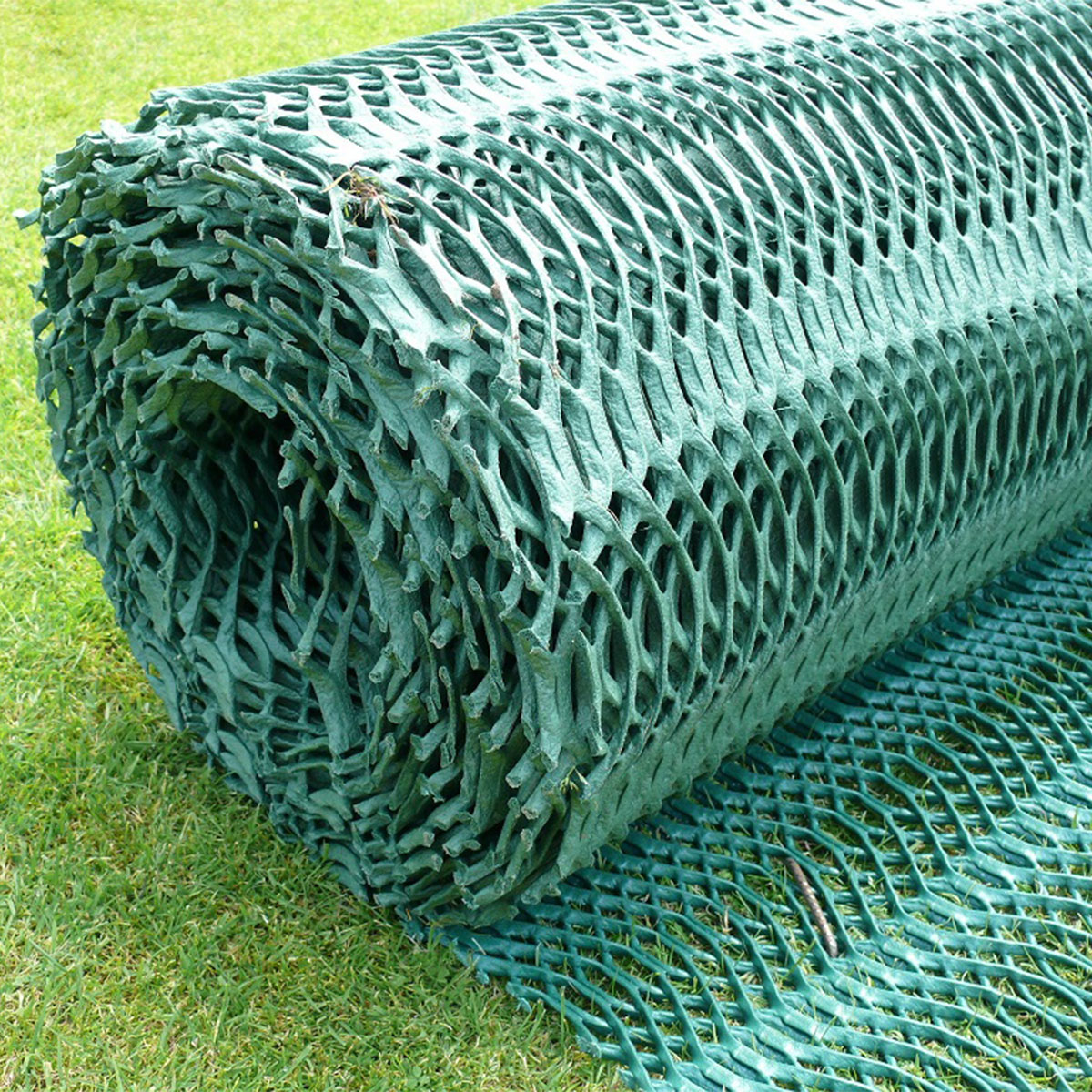
Grass Reinforcement Mesh is an extruded polyethylene mesh. The oscillated design provides traction, and the material is UV stabilised for outdoor use.
The fitting approach is explained in how to install grass reinforcement mesh: fit the mesh to the existing grassed area and secure it with pins.
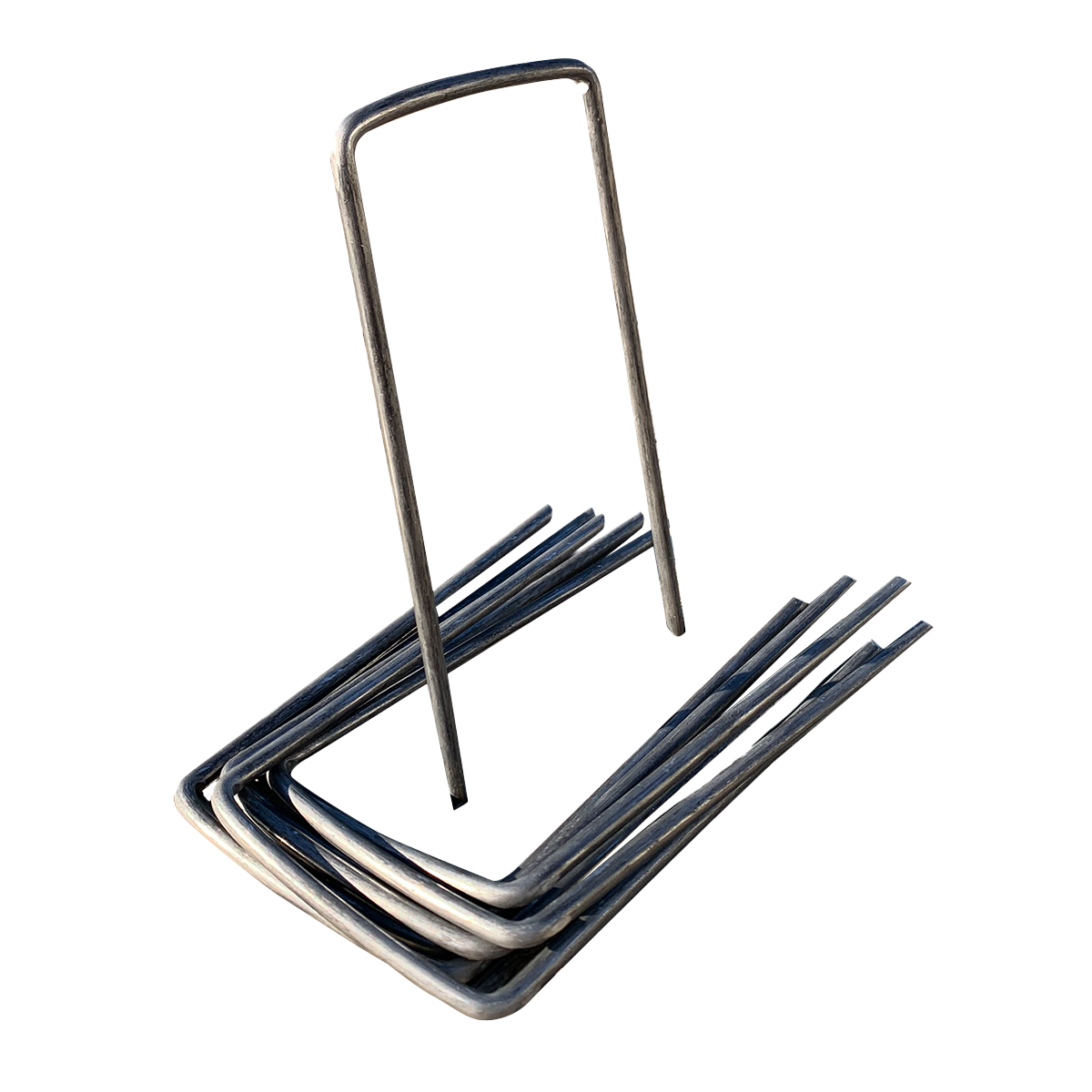
The client installed the Grass Reinforcement Mesh to existing levelled grass. The material was cut to shape the existing curved driveway and pinned in place with Steel Fastening Pins.
With regular watering, Rod saw grass grow through the mesh. Once the grass has grown through and the mesh is secure, the area can be maintained by mowing, with checks for exposed edges and pins.
Rod was very happy with the outcome and the ability to maintain a grass nature strip whilst providing parking areas for vehicles. Establishment time will vary with the lawn and ground conditions.


Start with how the area will be used. Repeated car movements, occasional visitor parking and a daily pedestrian shortcut place different demands on the grass.
TYPAR's explanation of grass and mesh interlock describes how vegetation entangles with mesh filaments to spread loads over a larger area. The mesh still needs healthy turf and firm ground beneath it.
| Parking pattern | Option to assess | What to check |
|---|---|---|
| Occasional cars on established grass | GR11 grass reinforcement mesh | Ground firmness, drainage and recovery between uses |
| More frequent parking or vehicle passes | Heavy-grade GR14 mesh | Vehicle loading, turning movements and the condition of the turf |
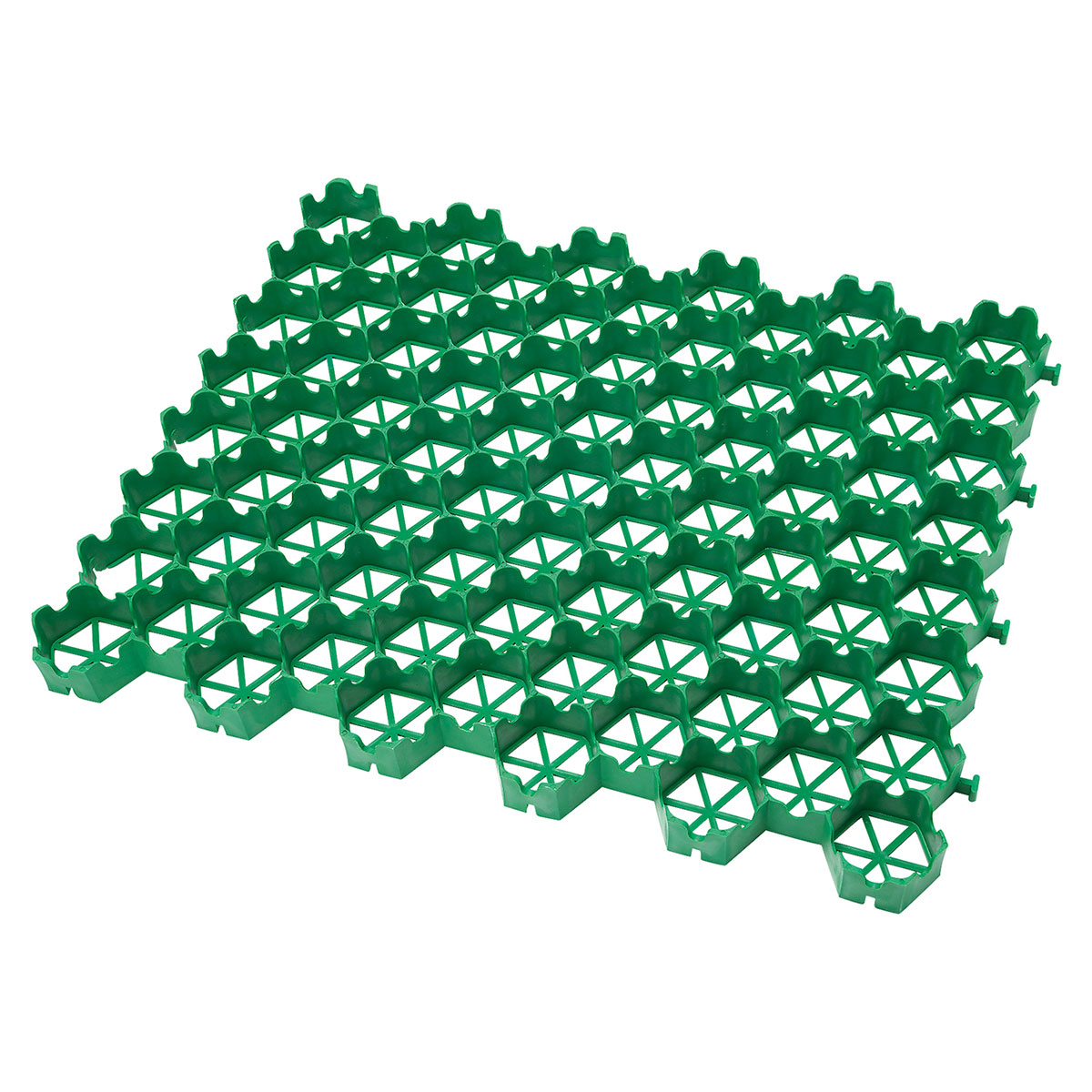
| Daily driveway use with repeated manoeuvring | Porous paving system | Prepared base, drainage and a layout suited to everyday access |
For the heavier mesh option, assess GR14 grass reinforcement mesh for vehicle parking areas with the intended use in mind. Confirm the specification for the supplied grade before ordering, particularly where vans or heavier vehicles are involved.
For occasional parking on a smaller area, the narrow GR11 grass reinforcement roll is another option to discuss. Choose the grade for traffic demands first, then choose a roll layout that limits unnecessary cuts.
A thicker mesh does not solve every parking problem. Walk the proposed area after rain and mark where water collects, tyres sink or grass is already bare.
The Hastings River Ferry overflow carpark project used GR14 in the parking bays and a sealed main thoroughfare. That layout is useful to consider where the access lane receives more repeated traffic than the spaces beside it.
For a daily driveway, compare EconoGrid40 porous paving for frequent vehicle access before choosing surface mesh. It is a different installation system, so ask about preparation and drainage as part of the comparison.
Rod's curved driveway needed mesh cut to fit. Measure the parking area and draw the curves before buying rolls, since the usable shape matters as much as the total area.
Include these items in the order and installation plan:
Use the supplied product's installation instructions for pin spacing and joins. A roll that lies flat in the middle can still lift around curves or at an entrance, so inspect those points separately.
Compare the complete installed cost, including preparation, mesh, fixings and any turf repairs. Ask whether delivery and unloading suit the site, especially where access is narrow or materials must be carried around the house.
Keep a copy of the chosen product instructions with the maintenance notes so whoever mows the area knows where the mesh edges and joins are located.
Where several rolls meet, follow the joining detail for that mesh rather than improvising an overlap. Raised joins can interfere with mowing and catch feet or tyres.
Visible green growth is encouraging, but it is not the only reopening check. The mesh must be secure, the grass must have integrated with it and the ground must support the planned use.
Rod's grass recovery is not a deadline for another installation. Season, shade, soil moisture and grass condition can change how quickly another lawn establishes.
Avoid turning the steering wheel while the vehicle is stationary on the grass, and use gentle movements through entrances. Where the same corner keeps wearing, reassess the parking layout instead of repeatedly repairing the turf.
Yes, where the selected mesh is intended for the vehicle use, installed correctly and supported by suitable ground. Check establishment requirements before opening the area, and do not treat a pedestrian mesh as a vehicle parking product.
No. It helps protect the surface, but soft ground, excessive traffic and repeated turning can still cause damage. If rutting returns, review drainage, ground support and traffic patterns before adding more mesh.
That depends on the ground, vehicle movements and frequency of use. Daily departures, reversing and tight turns can be more demanding than occasional parking, so compare a prepared porous paving system where the lawn must function as an everyday driveway.
That was the approach in Rod's project: the grassed area was levelled, the mesh was cut to shape and it was pinned down. An existing lawn still needs checking for hollows, weak turf and wet patches before installation.
Yes, once the installation is secure and ready for maintenance. Check that no mesh edge or fastening pin can meet the mower blade, and follow the product instructions for mowing during establishment.
No. Open mesh allows water through its openings, but the soil below must still drain. Persistent ponding needs assessment before installation; covering it with mesh does not remove the drainage problem.
Bring the area measurements, photographs after rain and details of vehicle use when you contact the team about your grass parking area. Those details help establish whether mesh suits the site and which grade and fixings to order.
Check any extra materials needed for the job against All Stake Supply's full product range for landscaping and ground reinforcement before finalising the order. Combining mesh, fixings and preparation materials in the plan helps avoid an unfinished parking area while you wait for missing supplies.