Bush regeneration in the World Heritage Blue Mountains involves restoring native habitat while addressing the weeds, erosion and altered water flows that prevent recovery. Two projects delivered by The Bush Doctor (NSW) in partnership with All Stake Supply show how jute matting and coir logs were used to slow stormwater runoff and help rehydrate a degraded swamp.
The projects had different objectives. One treated fast runoff before it entered the national park; the other retained moisture in a swamp where native vegetation needed suitable conditions to recover.
The Bush Doctor (NSW) was the bushland regeneration contractor and consultant to Blue Mountains City Council identified in our original project account. All Stake Supply partnered with the contractor on habitat protection and swamp rehabilitation.
The installation descriptions below record those projects. Product sizes listed later are catalogue options to discuss with your project designer, rather than a record of the exact materials ordered for these historical works.
The Greater Blue Mountains Area was inscribed on the World Heritage List in 2000. The Australian Government's Greater Blue Mountains heritage profile identifies its diverse eucalypt communities, swamps and other habitats as part of the area's conservation value.
Urban runoff can affect the bushland below developed ridgelines. In these projects, hard surfaces concentrated stormwater that would otherwise have had more opportunities to soak into the ground.
Blue Mountains Bushcare's published account of the Swamped by Threats project describes how urban stormwater disrupts swamp hydrology through erosion, channel formation and water loss. That separate local program helps explain why managing incoming water belongs alongside weed control in swamp restoration.
The first project's objective was to slow stormwater before it entered the national park. Impermeable surfaces along the Blue Mountains ridgelines were contributing to high runoff velocity.
The jute protected the channel surface, while the bioretention bay provided somewhere for runoff to soak into the ground.
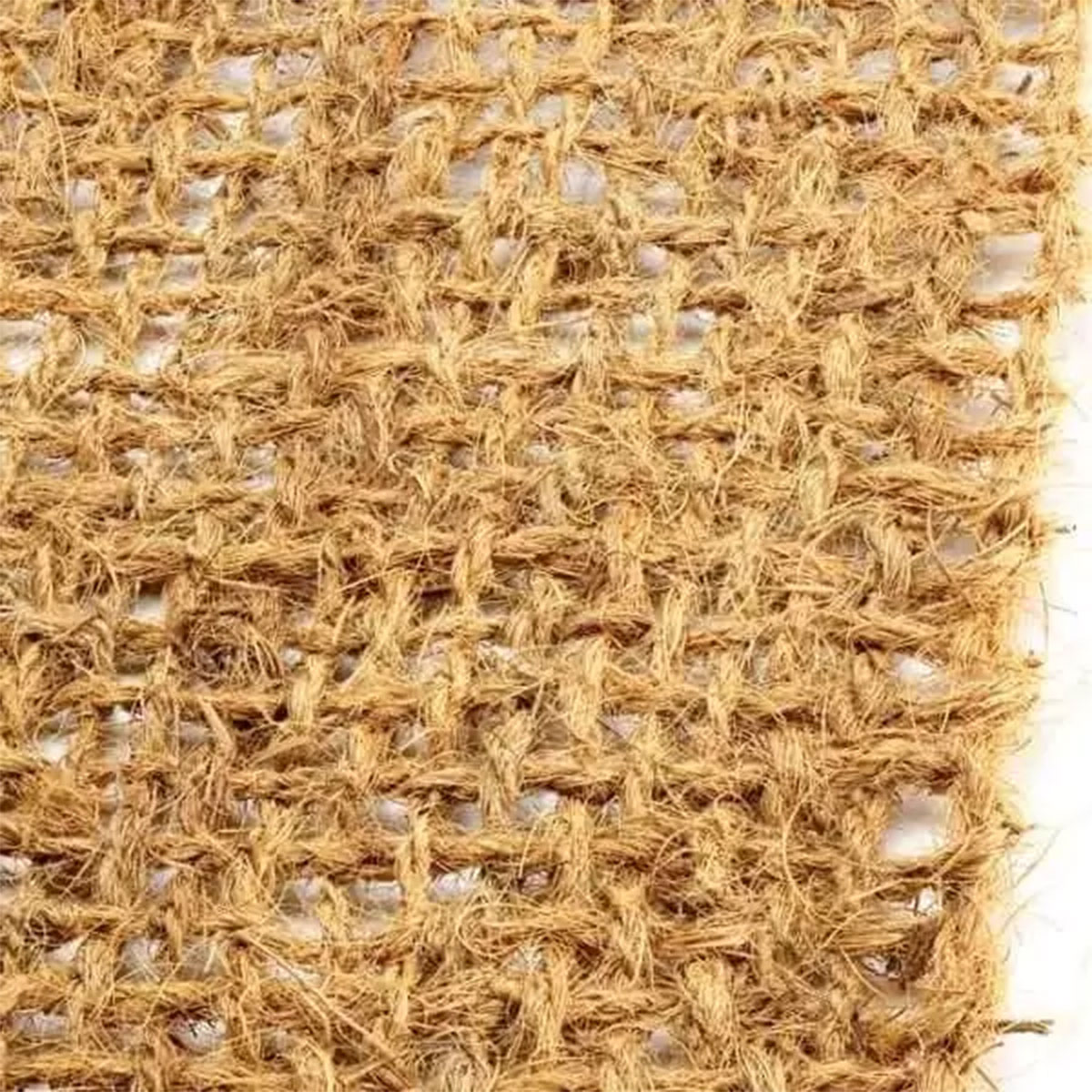
For similar specifications, our 620gsm jute matting in 1.83m-wide rolls is a biodegradable fabric sold for weed and erosion control. The separate explanation of controlling weeds with jute matting covers its weed-management role.
Our erosion control applications range groups materials by this use. A restoration practitioner still needs to specify the channel profile, log placement and anchoring for the site's flows.


The second project aimed to rehydrate a Blue Mountains swamp by retaining runoff on the sandstone plateau. The original account describes a coir-log retaining structure working with the site's low subsurface permeability to hold moisture in the valley.
Our original project account records native grasses growing back over a two-year period. This was an observation from that site, not a measured recovery rate or a promise that another swamp will respond within the same timeframe.
The range includes 200mm diameter coir logs in 3m lengths. Confirm the required diameter, arrangement and anchoring with the designer; this case study does not provide a hydraulic design for another site.

Jute matting, open mesh and coir products have different forms and uses. The table is a starting point for a discussion about materials, rather than a substitute for the rehabilitation plan.
| Material | Role to consider | What to confirm |
|---|---|---|
| Jute matting | Surface cover and weed suppression | Fabric weight, contact with soil and existing native plants |
| Jute soil saver mesh | Open mesh for erosion protection and vegetation establishment | Whether an open weave suits the recovery plan |
| Coir matting | Coconut-fibre surface protection | Required grade and fastening detail |
| Coir logs | Flow interruption or retention within a designed layout | Size, anchoring and the route for overflow |
Where the plan calls for open mesh, jute soil saver mesh in 1.2m by 65m panels is a natural-fibre option for erosion protection and revegetation. Follow the relevant jute soil saver mesh installation steps when preparing the installation detail.
A specification may instead call for 700gsm coir matting in 2m-wide rolls, made from coconut fibres. Check the grade against the required use rather than substituting it simply because the roll covers a similar area.
When calculating roll quantities, allow for the overlaps and edge treatment shown in the installation detail. Keep the measured treatment area separate from the quantity ordered, so the contractor can see what has been allowed for joins and offcuts. Where the surface changes or existing vegetation must be retained, mark those areas on the plan before cutting material.
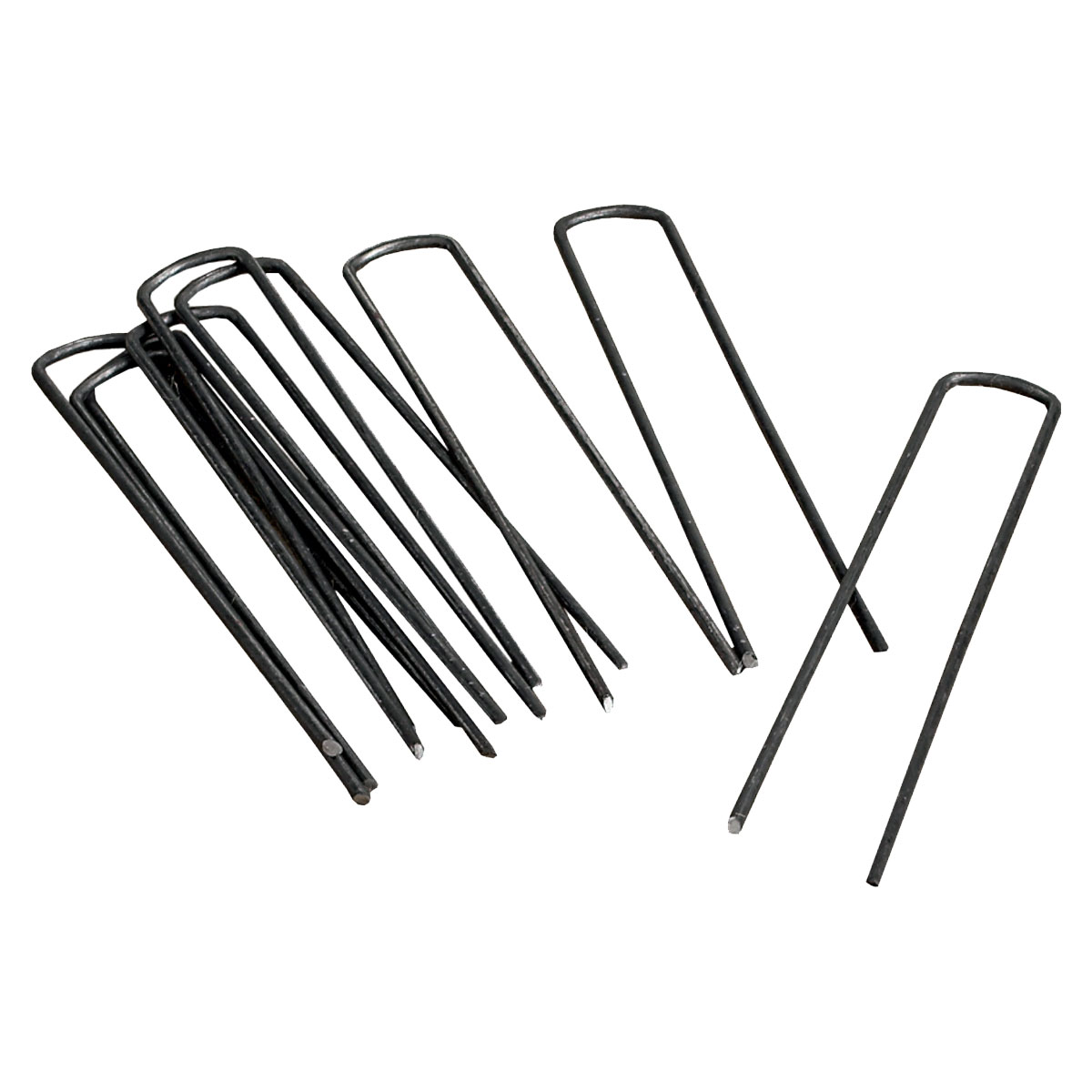
Include fasteners in the materials schedule. Our 300mm by 50mm steel fastening pins are sold for securing matting, but the required pin length and spacing depend on the ground and installation design.
Restoration continues after the materials are installed. Blue Mountains Conservation Society describes local Bushcare work around Wentworth Falls that combines removal of invading exotic plants with occasional revegetation and erosion control to protect habitat and water quality.
For a project like the two described here, agree on a monitoring checklist before handover:
Make someone responsible for each follow-up visit and keep the observations with the project record. If a repair is needed, record the location and conditions before ordering replacement material; otherwise the same damaged section may be repaired repeatedly without addressing the cause.
During follow-up inspections, identify returning plants and check that water is moving through the works as intended. Keep those observations in the follow-up record.
The Bush Doctor (NSW) was the regeneration contractor and council consultant named in our original account. The partnership with All Stake Supply covered erosion control and swamp rehabilitation; the two installations are described above.
Concentrated runoff can erode channels and disturb the receiving habitat. Project 1 used a lined channel, staked coir logs and a bioretention bay to slow the runoff and allow it to soak into the ground before it entered the national park.
They formed part of the retaining structure in Project 2, where the original account describes water backing up and slowly seeping through. Suitability elsewhere depends on the swamp's hydrology and a site-specific design.
Choose the form specified for the site. Open mesh and matting provide different coverage, so the choice needs to account for surface protection, weed management and how native vegetation will establish.
The original swamp project account reports native grasses returning over two years. It provides no percentage recovery figure, so that observation should not be treated as a benchmark for other Blue Mountains sites.
Bring the designer's material schedule, treatment-area measurements, required grades and anchoring details. Confirm access and delivery arrangements as well as quantities, so the order suits the planned works.
Use the approved restoration specification to prepare your quantities, then check our full product range for restoration supplies. For help matching the schedule to available materials, contact the team about your bush regeneration order or call 1300 130 123.
Have these details ready: